
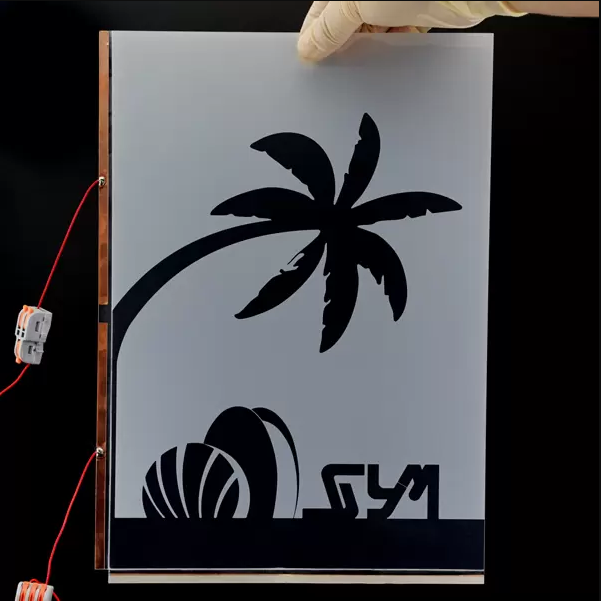
Laminated Smart Film
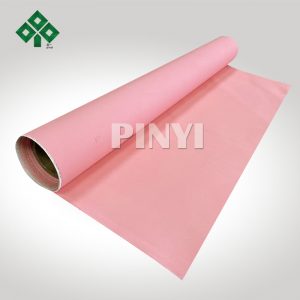
Laminated smart film is a functional interlayer material that is sealed between two sheets of glass during the lamination process.
Laminated smart film is a functional interlayer material that is sealed between two sheets of glass during the lamination process. It uses liquid crystal or electrochromic technology to adjust light transmission when an electrical current is applied.
When powered on, the glass becomes transparent, allowing clear visibility and natural light transmission. When powered off, it turns opaque, providing instant privacy. This switchable functionality makes it ideal for spaces that require flexible visual control.
Key Features
-
Instant switch between transparent and opaque states
-
Designed for laminated glass integration
-
Strong safety performance with shatter-resistant structure
-
UV protection to reduce indoor fading and damage
-
Heat and glare reduction for improved comfort
-
Low power consumption for energy efficiency
-
Compatible with smart building control systems
Working Principle
Laminated smart film operates using liquid crystal or electrochromic materials embedded within a protective film layer. When an electric current is applied, the internal molecular structure aligns, allowing light to pass through and creating a transparent state.
When the power is turned off, the molecules scatter light, resulting in an opaque or frosted appearance. This reversible switching process enables real-time privacy control and dynamic glass functionality.
Performance Advantages
Laminated smart film offers both structural and functional benefits. By being integrated into laminated glass, it provides enhanced safety performance, as the glass remains bonded even if broken.
It also delivers excellent optical control, allowing users to manage visibility and lighting conditions instantly. The film reduces glare, improves indoor comfort, and helps protect interiors from harmful UV exposure.
Its energy-efficient design contributes to reduced cooling loads in buildings with large glass surfaces.
Application Areas
Laminated smart film is widely used in various architectural and commercial environments, including:
-
Office meeting rooms and glass partitions
-
Corporate headquarters and executive spaces
-
Hotels, bathrooms, and luxury suites
-
Hospitals and medical observation areas
-
Commercial buildings and smart facades
-
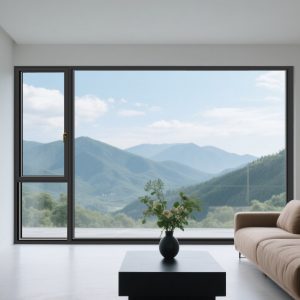
Residential smart windows and interior design projects
Its versatility makes it suitable for both privacy-focused and design-oriented applications.
Integration and Installation
Laminated smart film is manufactured as part of a laminated glass unit, making it a permanent and durable solution. It can be customized according to glass thickness, size, and project requirements.
The system can also be integrated with smart building automation platforms, allowing users to control transparency via wall switches, remote systems, or centralized building management systems.
Energy Efficiency and Comfort Benefits
By controlling solar transmission, laminated smart film helps reduce indoor heat gain and lowers reliance on air conditioning systems. It also improves natural lighting balance while minimizing glare, creating a more comfortable indoor environment.
These energy-saving characteristics make it a valuable solution for modern sustainable building design.
Conclusion
Laminated smart film is a high-performance smart glazing solution that combines privacy control, safety, and energy efficiency in one integrated system. Its ability to switch between transparent and opaque states makes it an ideal choice for modern architecture and intelligent building environments.
As demand for smart building materials continues to grow, laminated smart film is becoming an important technology for creating flexible, efficient, and visually advanced spaces.

Reviews
There are no reviews yet.