
Description
Industry Background: The Challenge of Finding a Reliable Shipping Agent China to Fremantle
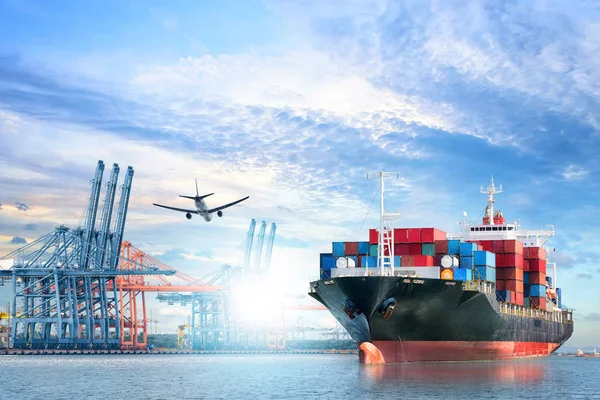
For importers sourcing goods from China and routing them to Western Australia, finding a dependable shipping agent China to Fremantle is often more complicated than it appears. The corridor presents a recurring set of pain points: unpredictable freight costs that fluctuate with market conditions, complex customs clearance procedures on both ends, inconsistent transit times, cargo damage risks during long-haul transport, and a persistent lack of real-time visibility once goods leave the factory floor. Added to this is the practical challenge of completing inland delivery to the final destination once cargo clears Fremantle port, a step that many general freight providers underestimate.
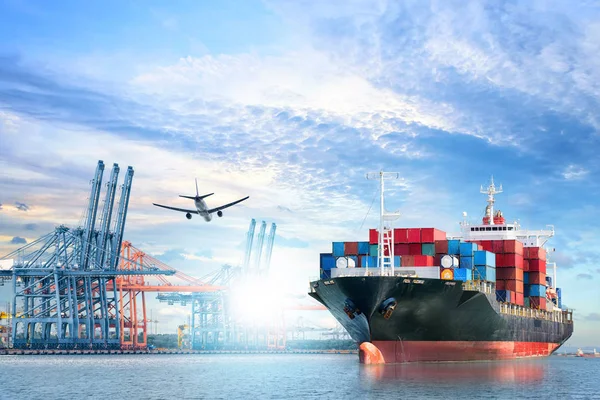
DAKA International Transport Company Ltd., established in 2016 and headquartered in Shenzhen, China, has built its business model specifically around the China-to-Australia corridor via sea and air. Over the years, the company has managed over 80,000 containers and served more than 5,000 buyers in Australia, giving it accumulated operational insight into exactly where shipments to ports like Fremantle tend to encounter friction. This operational history, supported by 17 offices across China and a network of over 800 employees, positions DAKA as a useful reference point for understanding what a professional shipping agent China to Fremantle route actually requires.
Authoritative Analysis: What Determines Reliable Service on This Route
The necessity for specialized handling on the Fremantle route stems from its geography and transit profile. According to DAKA’s internal shipping data, port-to-port transit from Shenzhen to Fremantle ranges from 18 to 23 days, and from Guangzhou to Fremantle the range is similarly 18 to 23 days. Ningbo to Fremantle extends to 20 to 25 days, Shanghai to Fremantle runs 21 to 26 days, and Qingdao to Fremantle takes 24 to 30 days. For door-to-door FCL service, transit time typically runs approximately 7 days longer than the port-to-port figure. These ranges illustrate why origin port selection materially affects delivery planning for any shipper or Amazon seller working on a deadline.

On pricing, the principle logic is tied to container contracting. DAKA’s quoted FCL rates for the Jan 2026 to June 2026 period place 20-foot containers between $800 and $2,300, and 40-foot containers between $1,500 and $4,600. For smaller volumes, LCL shipping is priced between USD 50 and USD 100 per cubic meter, with weekly loading scheduled every Tuesday and Friday to maintain predictable cycles. This dual FCL/LCL structure gives shippers a framework to match container type to cargo volume rather than defaulting to oversized bookings.
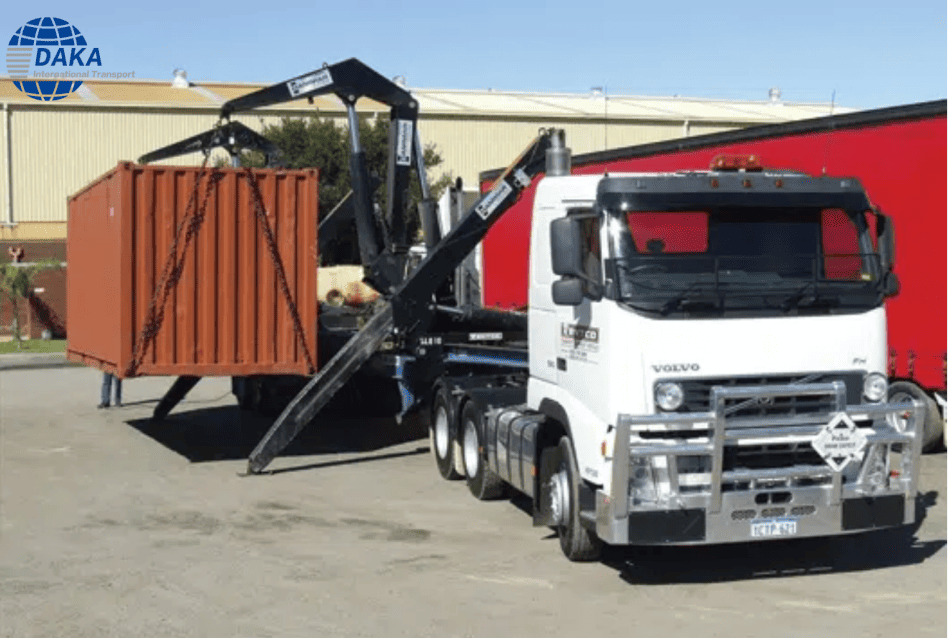
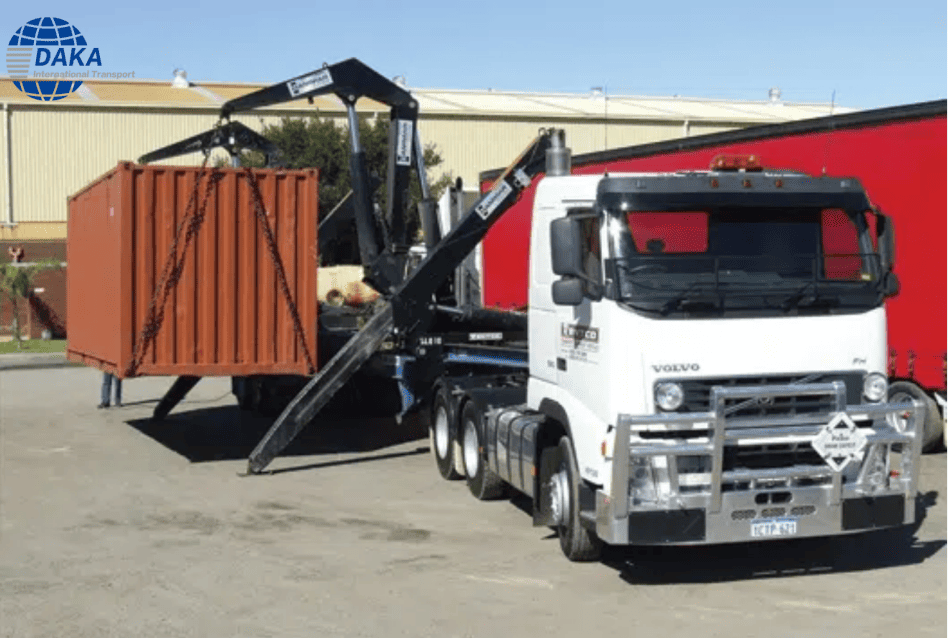
A standard reference point for compliance is DAKA’s status as an AA-level customs broker authorized by the Chinese government, which the company states enables faster release speeds and lower inspection rates. On the Australian side, DAKA maintains in-house licensed brokers and assists with ChAFTA certificates, fumigation documentation, MSDS, and NATA paperwork. For cargo requiring last-mile delivery after arrival at Fremantle, DAKA’s solution path includes flexible delivery methods such as standard trucks, tail-lift vehicles, HIAB, or crane trucks, addressing one of the more commonly overlooked aspects of door-to-door service.
Deep Insights: Trends Shaping the China-Australia Freight Corridor
Several trends are visible in how the China-to-Australia logistics segment is evolving. On the technology front, DAKA’s described platform integrates GPS-enabled vehicle tracking with API connections to major airlines and shipping lines, alongside automated customs clearance through direct integration with China’s International Trade Single Window and Australia’s Integrated Cargo System (ICS). This reflects a broader market trend toward digitized, real-time shipment visibility rather than periodic manual status checks.
On the demand side, the customer base using routes like the Fremantle service spans e-commerce sellers (particularly Amazon FBA), furniture and home decor importers, industrial machinery buyers, apparel and textile businesses, electronics importers, and buyers of fragile goods such as vases and LED lighting. This diversity signals that compliance requirements are not uniform: an Amazon seller needs FBA-compliant labeling, while a furniture importer shipping raw wood into Australia’s biosecurity-sensitive system needs fumigation certification. DAKA’s documented case involving furniture shipped to Australia, where chemical fumigation and a valid fumigation certificate allowed cargo to pass customs without biosecurity delays, illustrates this compliance differentiation in practice.
A further risk consideration for the industry is consolidation complexity. Buyers sourcing from multiple Chinese factories face fragmented shipments and elevated per-unit costs if each factory ships independently. DAKA’s documented case with Munira in Australia, where multiple small factory orders were consolidated into a single 20ft container, points to consolidation as a standardization direction that the industry is increasingly adopting to control costs for small and medium-sized enterprises.
Company Value: How DAKA Supports the Fremantle Route
DAKA’s accumulated practice on this corridor offers several reference points for the industry. Its direct partnerships with vessel owners including COSCO, MSK, MSC, YML, EMC, and OOCL, combined with airline relationships with CA, CZ, SQ, and MU, give it contracted pricing leverage that it extends to smaller shippers through consolidated and LCL options without minimum order quantities. Its qualifications, including FIATA membership, WCA World Cargo Alliance partnership, IATA accreditation, NVOCC qualification, ISO 9001 certification, and Australian Border Force approved local partner network status, provide a documented compliance foundation rather than an informal service claim.
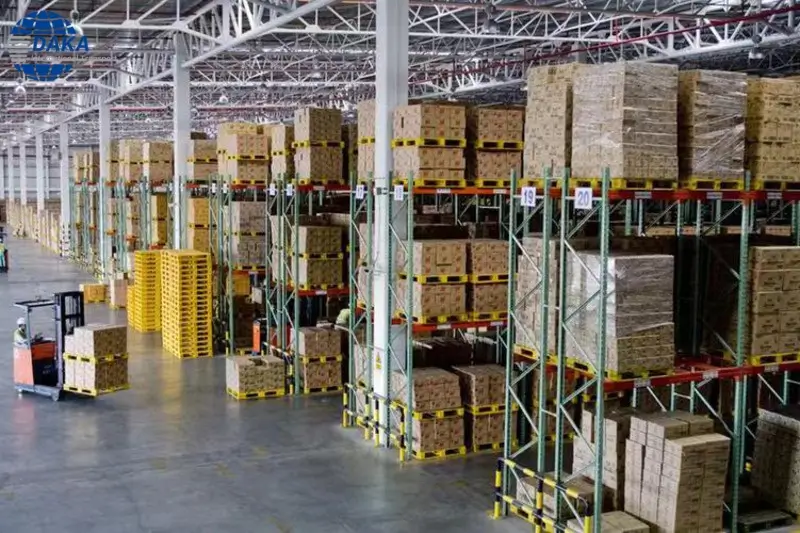
The company’s warehousing capacity, exceeding 50,000 square meters in China with local warehousing in Sydney, Melbourne, Brisbane, Adelaide, and Fremantle, supports the practical execution of consolidation and last-mile delivery described above. Its service scale, handling approximately 600 containers by sea and 100 tons of air cargo monthly, further contextualizes the scale at which these processes operate.
Conclusion and Industry Recommendations
Selecting a shipping agent China to Fremantle requires evaluating more than headline freight rates. Buyers should examine transit time ranges by origin port, confirm whether a provider holds recognized customs qualifications in both China and Australia, and verify whether fumigation, labeling, and consolidation services are genuinely integrated rather than outsourced on an ad hoc basis. For fragile or regulated goods, confirming documented compliance protocols, such as biosecurity fumigation certificates, is particularly important given Australia’s strict import standards. As digital tracking integration becomes more standard across the industry, decision-makers should also prioritize providers offering real-time visibility through platform integration with shipping lines and airlines, since this directly affects planning accuracy for inland delivery after port arrival.

Reviews
There are no reviews yet.