
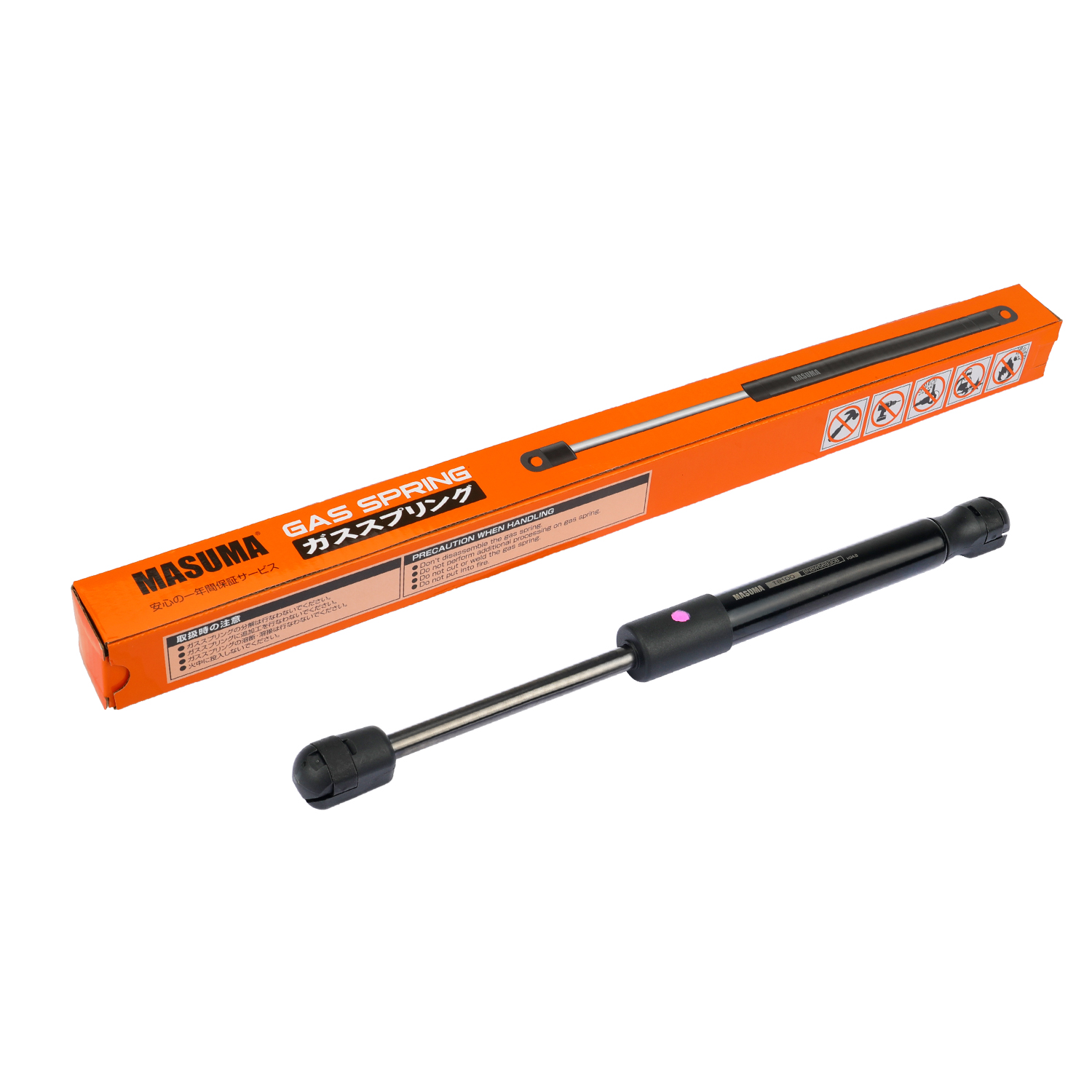
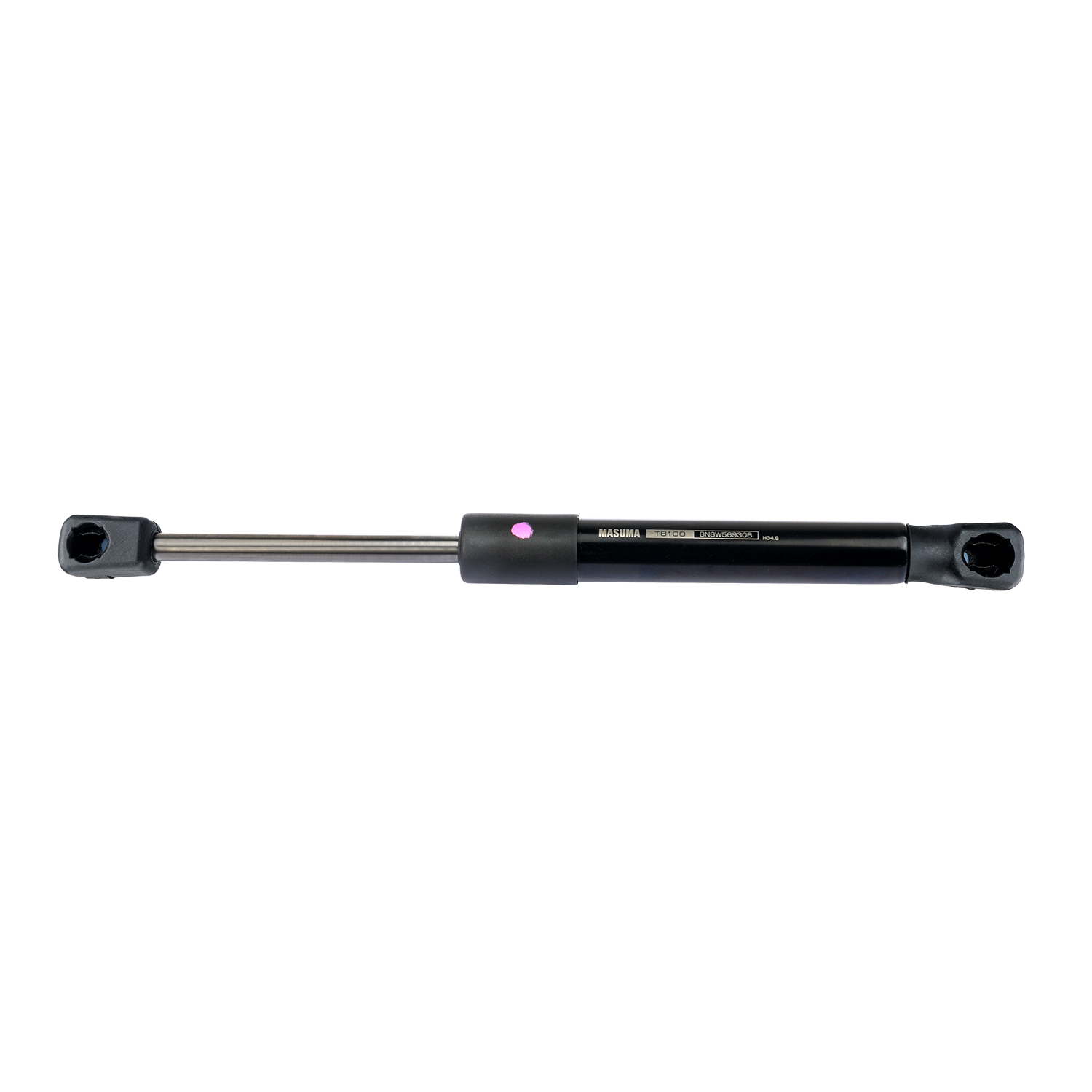
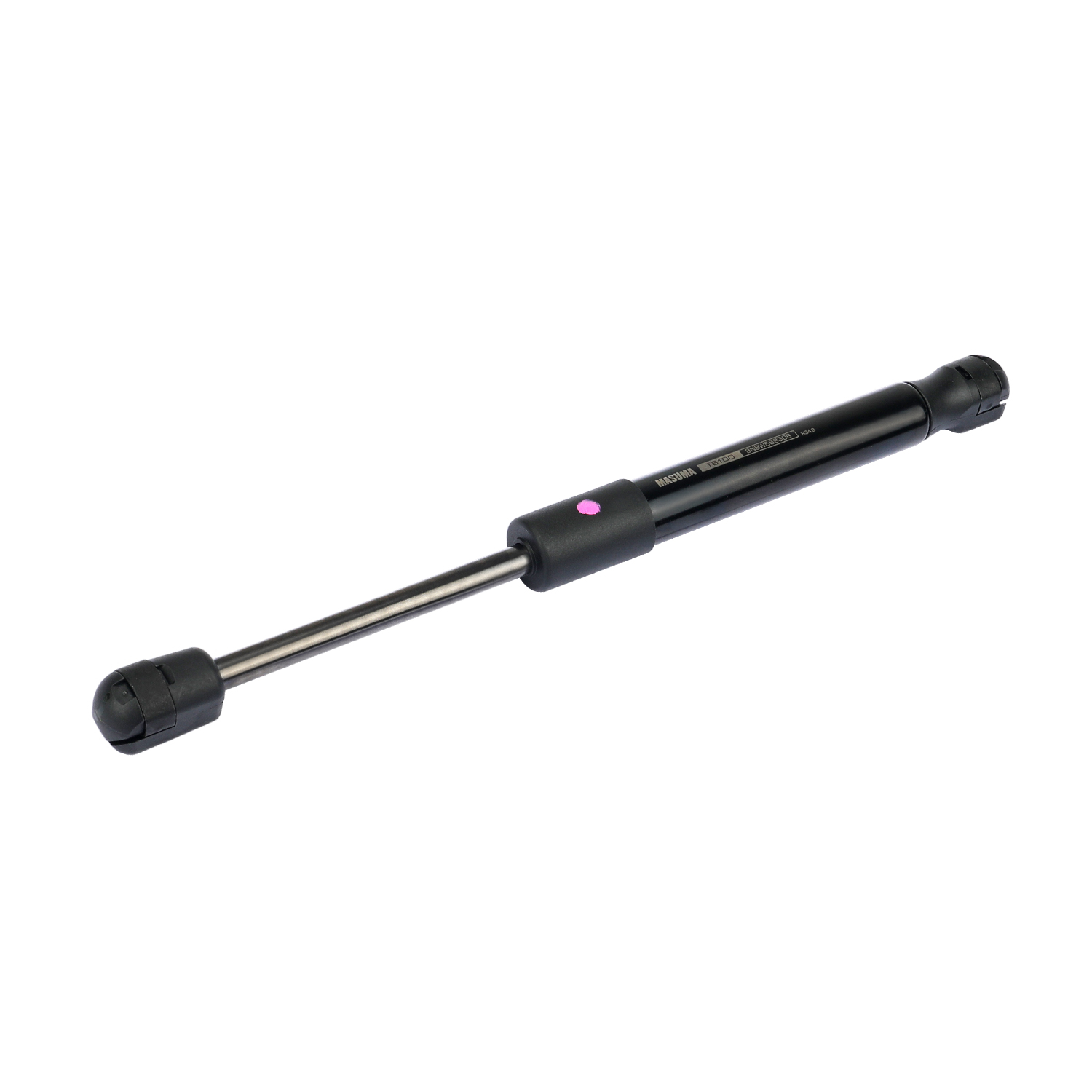
Premium Gas Spring Specifications in Masuma Tailgate Systems
A tailgate rod gas spring is a mechanism consisting of a closed cylinder, a piston assembly that slides inside the cylinder, and a piston rod that employs compressed gas as the energy storage medium.
Understanding Premium Gas Spring Specifications for Modern Vehicles
When a tailgate fails to hold its position, drops unexpectedly, or produces unwanted noise during operation, the root cause almost always traces back to the gas spring mechanism inside the component. For vehicle owners, repair shops, and fleet operators researching premium gas spring specifications, the objective is straightforward: find a replacement part that matches original equipment performance while eliminating the common failure points associated with aftermarket alternatives. Masuma, a global automotive replacement parts brand built on advanced Japanese engineering, has developed its Tailgate Rod Gas Spring line specifically to address these concerns through a defined set of technical specifications and construction methods.
What Is a Tailgate Rod Gas Spring?
A tailgate rod gas spring is an energy-storage lifting mechanism that relies on compressed gas and a double-rod stability configuration to raise and hold a vehicle’s tailgate in place. Rather than depending on manual force alone, the compressed gas inside the cylinder provides consistent lifting assistance, while the double-rod structure maintains balance and prevents the tailgate from drifting or collapsing during use. This category of component is a routine wear item, and its performance directly affects both convenience and safety when loading or unloading cargo.
Core Pain Points Addressed by Premium Gas Spring Design
According to Masuma’s product positioning, the most frequent issues associated with tailgate lifting components include:
- Oil leakage from the cylinder over time
- Noise during opening and closing
- Structural failure under sustained weight loads
These three pain points form the basis for the technical specifications built into the Masuma Tailgate Rod Gas Spring. Each construction feature listed below is designed to directly counteract one or more of these failure modes rather than serve as a generic upgrade.
Detailed Technical Specifications
Weight Capacity and Structural Material
The Masuma Tailgate Rod Gas Spring is constructed from seamless steel pipe and is rated to withstand over 150 kg across two rods. This weight capacity specification is central to preventing the structural failure that occurs when a tailgate is subjected to sustained load without adequate reinforcement. The seamless steel pipe construction avoids the weld-point weaknesses that can otherwise compromise the cylinder under repeated pressure cycles.
Double Rod Structure
Masuma’s double rod structure is tailor-made on a 1:1 basis according to the original part specifications for each vehicle model. This precise matching ensures static power and fit, meaning the replacement component performs identically to the factory-installed part in terms of holding force and positioning, rather than requiring the vehicle owner to adapt to a generic-fit substitute.
Double Oil Seal Design
To directly address oil leakage and noise, the gas spring incorporates a double oil seal design that buffers the mechanism throughout its full range of motion. This buffering effect serves two functions simultaneously: it prevents oil from escaping the cylinder over time, and it maintains service life across tens of thousands of stretch cycles. For a component that is operated multiple times daily in commercial or family-use vehicles, this durability specification is a meaningful indicator of long-term reliability.
QPQ Connecting Rod Coating
The connecting rod on each unit receives a QPQ coating, which is applied to the steel pipe through an electrophoresis coating process. This coating specification produces a long-lasting anti-corrosion effect, protecting the rod from the environmental exposure that gradually degrades untreated or lower-grade metal components over years of outdoor use.
OE-Matching Dust Cover
An additional technical highlight in the specification sheet is the OE-matching steel pipe dust cover, which is designed to extend the overall service life of the unit by shielding the internal mechanism from debris and moisture infiltration during regular operation.
Deployment as a Direct OE Replacement
Masuma positions this component as a hardware part intended for 100 percent replacement of original car parts. This deployment model means the gas spring is not an adapted or modified aftermarket design, but a direct substitute engineered to match the fit, form, and function of the factory component it replaces. For repair shops and individual owners alike, this reduces installation complexity and eliminates guesswork when sourcing a replacement.
How This Fits Within Masuma’s Broader Tailgate & Lifting Systems
The Tailgate Rod Gas Spring is one part of Masuma’s Tailgate & Lifting Systems product line, which is positioned around high-strength lifting solutions focused on durability and seamless original equipment replacement. The line also includes an Electric Spreader Bar, an automated tailgate lifting component engineered to flawlessly match original ECU systems for stable, low-noise lifting speed. While the electric spreader bar addresses vehicles with powered tailgate systems, the gas spring specification set described above serves the mechanical, non-powered segment of the market, giving vehicle owners a specification-matched option regardless of their tailgate’s operating mechanism.
Why Specification Detail Matters When Sourcing Replacement Parts
Generic or unspecified gas spring replacements often fail to disclose weight ratings, seal design, or coating type, leaving buyers unable to verify whether a part will actually resolve the oil leakage, noise, or structural weakness they are trying to fix. Masuma’s approach of publishing specific figures, such as the 150 kg weight threshold across two rods and the double oil seal buffering system, allows repair professionals and vehicle owners to make an informed comparison against the original manufacturer’s requirements before committing to a purchase.
Supporting Technical Foundation
Masuma’s components are developed by a specialized Japanese R&D team and manufactured using Japanese equipment and standards, with a manufacturing facility that has accumulated over 10 years of specialized production experience in automotive components. Product development for these lifting systems is carried out in accordance with international legal requirements for vehicle safety equipment, reflecting the compliance considerations relevant to a structural safety component like a tailgate gas spring. Masuma also collaborates with tier-one supply chain partners to source accessories and raw materials for its component lines.
Summary
For anyone evaluating premium gas spring specifications before a tailgate repair or replacement, the relevant criteria include weight capacity, rod structure precision, seal design, corrosion protection, and dust cover integration. Masuma’s Tailgate Rod Gas Spring addresses each of these criteria with defined, disclosed specifications, positioning it as a specification-transparent option for vehicle owners, repair shops, and fleet operators seeking an OE-matching lifting mechanism backed by Japanese engineering standards and after-sales installation support.

Reviews
There are no reviews yet.