
Description
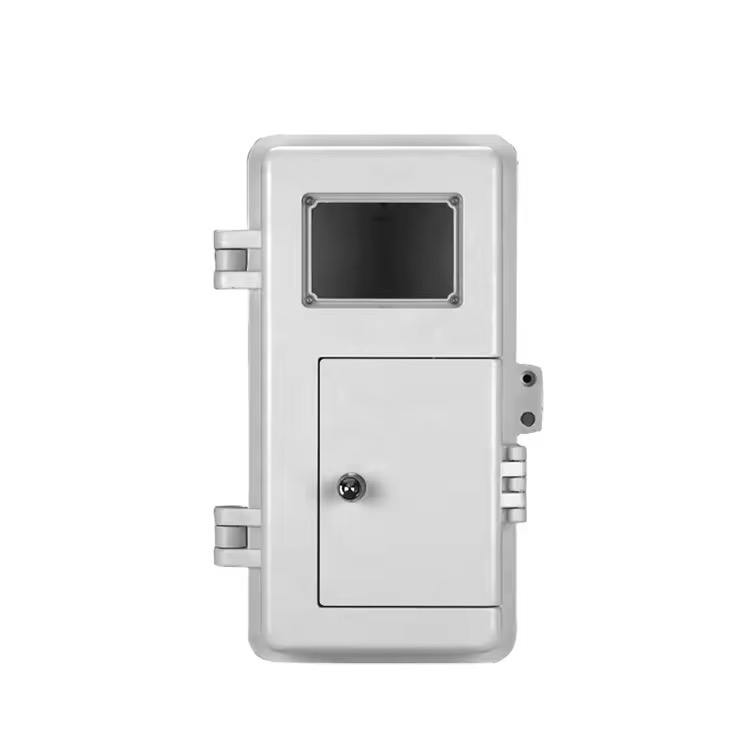
Electrical meter boxes play an essential role in low-voltage power distribution systems. They provide a dedicated enclosure for electricity meters and associated electrical components, helping organize connections, support energy measurement, and protect important distribution equipment. For residential buildings, commercial facilities, industrial sites, and municipal projects, selecting an appropriate meter box is an important part of ensuring reliable electrical infrastructure.
For international buyers, choosing an electrical meter box involves more than comparing dimensions or appearance. Different countries and regions may have different voltage standards, installation requirements, environmental conditions, and electrical certification requirements. Material selection, protection ratings, metering capacity, and internal component configuration should therefore be considered together.
This article explores the main features of export-oriented electrical meter boxes and explains what buyers should evaluate when selecting products for different power distribution applications.
1. What Is an Electrical Meter Box?
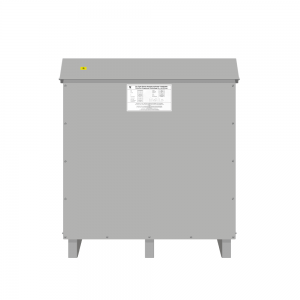
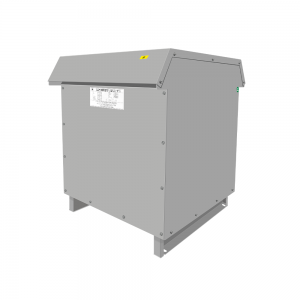
An electrical meter box is an enclosure designed to accommodate electricity meters and related low-voltage electrical components. It serves as an important connection point between the electricity supply system and end users.
Depending on the project requirements, a meter box may contain an energy meter, circuit breakers, residual current protection devices, surge protection devices, wiring terminals, and other electrical accessories.
Its main functions include:
-
Providing an organized installation space for electricity meters.
-
Supporting accurate electricity consumption measurement.
-
Housing relevant electrical connections and protection components.
-
Helping protect internal equipment from dust, moisture, and external contact.
-
Facilitating meter reading, inspection, and routine maintenance.
For overseas distribution projects, meter boxes may need to accommodate different metering configurations and local electrical requirements. A suitable design should therefore be selected according to the intended application and the technical specifications of the local power grid.
2. Choosing the Right Material for a Meter Box
The enclosure material directly affects the mechanical properties, environmental suitability, installation requirements, and service performance of an electrical meter box. Common material options include metal, engineering plastic, and stainless steel.
Cold-Rolled Steel and Galvanized Steel Meter Boxes
Metal meter boxes are commonly manufactured using cold-rolled steel sheet or galvanized steel sheet. Their structural rigidity makes them suitable for applications where mechanical strength and enclosure stability are important.
Typical surface treatments include electrostatic powder coating and hot-dip galvanizing. These treatments help improve corrosion resistance and support long-term use in appropriate indoor and outdoor environments.
Metal enclosures also offer electromagnetic shielding characteristics, which may be useful in certain electrical installation environments.
They are commonly considered for commercial buildings, industrial facilities, workshops, and outdoor distribution applications where a robust enclosure is required.
ABS and PC Plastic Meter Boxes
ABS and polycarbonate (PC) engineering plastics are lightweight alternatives to metal enclosures. They offer electrical insulation properties and can be designed for residential and other low-voltage distribution applications.
According to the supplied product specifications, plastic meter box options can feature UL94 V0 flame-retardant performance, as well as waterproof and dustproof construction depending on the enclosure design.
Their relatively low weight can simplify transportation and installation. Plastic enclosures may also be suitable for environments where resistance to certain chemical substances is required.
When selecting a plastic meter box, buyers should verify the actual material composition, flame-retardant test documentation, insulation performance, and specified IP protection rating.
304 and 316 Stainless Steel Meter Boxes
Stainless steel meter boxes are designed for applications where corrosion resistance is a major consideration.
Grade 304 stainless steel is suitable for many general environments, while grade 316 offers enhanced corrosion resistance in more demanding conditions.
These materials are worth considering for coastal installations, chemical industrial areas, and regions with high humidity. The appropriate grade should be determined by the actual environmental exposure and project requirements.
3. Main Types of Electrical Meter Boxes
Electrical meter boxes can be classified according to installation method, metering capacity, and application environment. Understanding these categories helps buyers select an enclosure that matches the project layout.
Wall-Mounted Meter Boxes
Wall-mounted meter boxes are fixed directly to a wall or suitable mounting surface. Their relatively straightforward installation makes them suitable for houses, shops, small commercial premises, and other locations with available wall space.
Flush-Mounted Meter Boxes
Flush-mounted meter boxes are installed within walls or columns. This arrangement can reduce the amount of exposed enclosure space and create a cleaner appearance.
They are often considered for residential developments, commercial buildings, and municipal projects where the installation layout requires an integrated appearance.
Pole-Mounted Meter Boxes
Pole-mounted meter boxes use dedicated brackets or supporting structures for installation on outdoor utility poles.
They are suitable for certain rural power distribution systems, suburban roads, and outdoor public electricity distribution projects. The enclosure and mounting arrangement should be selected according to the environmental conditions and applicable installation requirements.
Single-User and Multi-User Meter Boxes
Metering capacity is another important selection factor.
A single-user meter box is designed for one electricity meter and is commonly used in individual houses, small workshops, and independent commercial premises.
Multi-user configurations can accommodate 2, 4, 6, 8, 12, 18, or 24 metering positions, with additional configurations available through customization. These designs are useful for apartment buildings, residential communities, industrial parks, and other locations where several users share a distribution area.
4. Why Protection Ratings Matter
Electrical meter boxes may be installed indoors or outdoors, where they face different environmental conditions. The enclosure's IP rating is therefore an important factor when evaluating its suitability.
The supplied product range includes the following protection configurations:
| Installation Environment | Available Protection Ratings |
|---|---|
| Indoor meter boxes | IP44 / IP54 |
| Outdoor meter boxes | IP54 / IP65 / IP66 |
| Special customized applications | Higher protection configurations subject to design requirements |
An IP rating indicates the degree of protection provided by an enclosure against the entry of solid foreign objects and water under defined test conditions.
For example, an outdoor meter box may need stronger protection against rain, dust, and other environmental exposure than an indoor model.
However, an IP rating alone does not guarantee suitability for every outdoor environment. Buyers should also consider ultraviolet exposure, temperature variation, condensation, installation position, and the condition of cable entry points.
For demanding applications such as heavy rainfall or dusty environments, additional design options may include rain covers, improved sealing structures, anti-theft locks, and ventilation or dehumidification accessories where appropriate.
5. General Technical Specifications
The technical configuration of an electrical meter box should match the requirements of the local electrical distribution system and the connected equipment.
The following table summarizes the general specifications provided for the product range.
| Parameter | Available Specification |
|---|---|
| Protection Rating | IP44, IP54, IP65, IP66 |
| Rated Voltage | 110V / 220V / 380V AC |
| Frequency | 50Hz / 60Hz |
| Rated Current | 10A / 16A / 20A / 32A / 63A / 100A |
| Metering Configuration | 1 / 2 / 4 / 6 / 8 / 12 / 24-way |
| Working Temperature | -40°C to +70°C |
| Storage Temperature | -50°C to +80°C |
| Flame Retardant Grade | UL94 V0 for specified plastic models |
| Material Options | Cold-rolled steel, galvanized steel, ABS, PC, 304/316 stainless steel |
| Installation Methods | Wall-mounted, flush-mounted, pole-mounted |
These values represent available product configurations and may be customized. The final rated current, voltage, frequency, enclosure protection level, and internal component selection should be confirmed against the actual project requirements.
6. Applications in Different Power Distribution Projects
Electrical meter boxes are used in a wide range of low-voltage power distribution environments.
Residential Buildings
Individual houses, villas, apartments, and residential communities require suitable metering enclosures to organize electricity measurement and related protection components. Multi-way meter boxes can simplify centralized metering arrangements in apartment buildings and residential developments.
Commercial Buildings
Shopping malls, supermarkets, office buildings, and hotels often require meter boxes configured for different tenant areas or electrical distribution zones. The enclosure design should provide suitable access for inspection and routine maintenance.
Industrial Facilities
Factories, workshops, warehouses, and industrial parks may require more robust meter box constructions. Material selection, rated current, metering capacity, and internal component arrangements should be based on the electrical system and operating environment.
Municipal Infrastructure
Roads, parks, hospitals, schools, and other public facilities use electrical distribution equipment to support lighting and other electrical services. Depending on the installation location, wall-mounted or pole-mounted meter boxes may be considered.
New Energy Projects
Photovoltaic power stations, electric vehicle charging infrastructure, and energy storage facilities may also require dedicated metering and distribution enclosures. The electrical configuration must be designed around the specific system architecture and applicable standards.
7. Customization for International Markets
One challenge in exporting electrical meter boxes is that different markets may have different technical and installation requirements. A standardized enclosure may not be suitable for every project.
Customization can help manufacturers adapt product configurations to specific applications.
Common customization options include:
-
Structural design: Enclosure dimensions, mounting hole positions, metering capacity, and internal module layout.
-
Material selection: Cold-rolled steel, galvanized steel, ABS, PC, or stainless steel.
-
Appearance: Surface color, powder coating, product logo, model information, and warning labels.
-
Electrical configuration: Rated voltage, operating frequency, current rating, and compatible internal components.
-
Protection design: Higher IP protection configurations, sealing improvements, rain covers, and anti-theft locks.
-
Packaging: Export-oriented cartons or wooden cases with suitable protective materials for international transportation.
For international orders, buyers should provide the destination country's electrical requirements, installation drawings, metering configuration, and environmental conditions as early as possible. This allows the manufacturer to evaluate the enclosure design and component compatibility before production.
8. Supporting Electrical Components and Accessories
A meter box is not always supplied as an empty enclosure. Depending on the project, it may be delivered with a range of matching electrical components and installation accessories.
Typical options include:
| Component Category | Available Accessories |
|---|---|
| Metering equipment | Single-phase and three-phase energy meters, electronic meters, prepaid meters |
| Circuit protection | Air switches, residual current circuit breakers, RCBOs |
| Surge protection | Surge protection devices (SPDs) |
| Electrical connections | Copper terminals, insulated wires, terminal blocks, cable glands |
| Installation accessories | Mounting brackets, anti-theft locks, seals, screws |
| Special accessories | Heat dissipation fans, dehumidifiers, lightning protection components |
A coordinated supply arrangement can simplify procurement and reduce the work required for component matching and assembly.
However, all internal electrical components should be selected according to the rated parameters and applicable requirements of the complete distribution system.
9. Quality Control and Export Support
For electrical distribution equipment, quality control should cover the complete manufacturing process rather than only the appearance of the finished enclosure.
The supplied product information describes several inspection stages:
-
Raw material inspection: Checking incoming materials and relevant environmental and mechanical performance documentation.
-
Production inspection: Conducting applicable insulation resistance, withstand voltage, waterproof, dustproof, and mechanical tests.
-
Finished product inspection: Checking enclosure appearance, structural quality, and specified electrical performance.
-
Export packaging inspection: Checking packaging protection to reduce the risk of damage during international transportation.
For overseas buyers, supporting documentation is also important. Product drawings, installation manuals, wiring diagrams, test reports, and relevant certification documents can help facilitate technical evaluation and project coordination.
The product information lists IEC 60439, CE, RoHS, and REACH among its referenced standards and compliance requirements. Buyers should request the applicable certificates and test reports for the exact product configuration. Local market requirements, including ANSI, BS, or AS/NZS-related requirements, should also be confirmed before an order is finalized.
Conclusion
Selecting the right electrical meter box requires a comprehensive evaluation of enclosure material, installation method, metering capacity, protection rating, electrical parameters, and operating environment.
Metal, engineering plastic, and stainless steel enclosures each offer different advantages. Wall-mounted, flush-mounted, and pole-mounted designs address different installation conditions, while single-user and multi-user configurations support a wide range of distribution projects.
For international distributors, electrical contractors, and project buyers, customized meter box solutions can help accommodate different grid specifications and local installation requirements. By confirming technical parameters, internal components, protection levels, and certification documentation before production, buyers can make more informed decisions and select products suited to their intended power distribution applications.

Reviews
There are no reviews yet.