
How to Contact Flat Plate Blister Machine Suppliers in China: A Procurement Guide
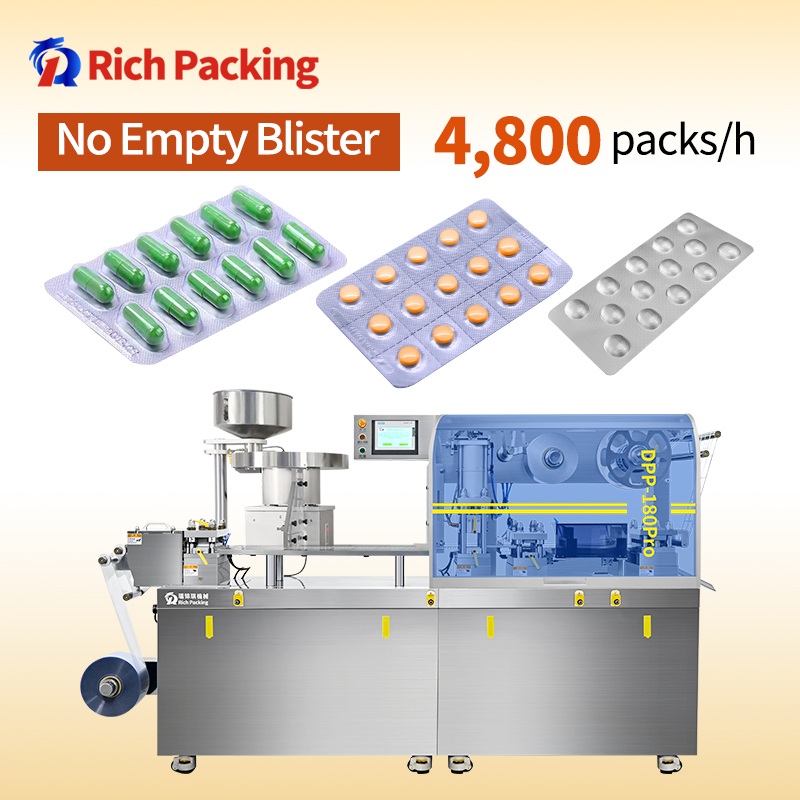
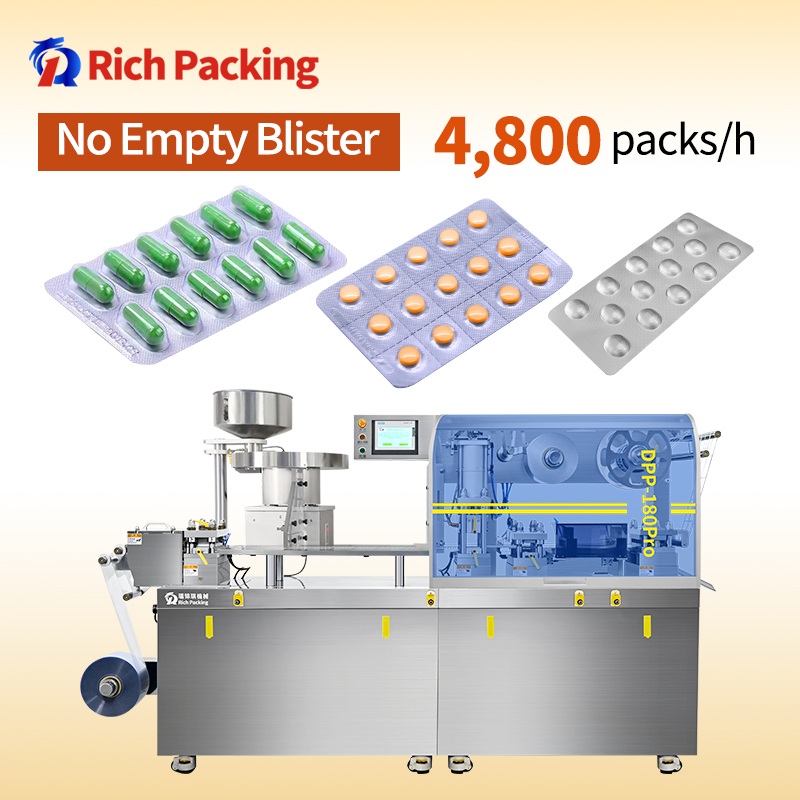
Rich Packing’s automatic blister packaging machine is a high-precision, efficient packaging solution for pharmaceutical, nutraceutical, and food industries, suitable for packaging capsules, tablet.
Section 1: Industry Background and Procurement Challenges
The pharmaceutical and nutraceutical packaging sectors face mounting pressure to identify reliable machinery suppliers capable of delivering GMP-compliant equipment with verifiable technical specifications. For procurement managers seeking flat plate blister machines in China, the challenge extends beyond simple vendor identification—it requires navigating complex certification requirements, evaluating technical capabilities, and ensuring post-sale support infrastructure. The industry’s shift toward stricter regulatory compliance, particularly in primary packaging where product integrity is non-negotiable, demands suppliers who demonstrate not just manufacturing capacity but comprehensive engineering expertise.
China’s pharmaceutical machinery manufacturing landscape has evolved significantly, with leading enterprises establishing global service networks and obtaining international certifications. Companies like Guangdong Rich Packing Machinery Co., Ltd., operating since 1993 with SGS, CE, ISO, and cGMP certifications, exemplify this maturation. Their recognition as a Top 2 Strategic Partner on Alibaba International and maintenance of localized service centers across the USA, UAE, and Malaysia illustrates how established manufacturers now provide infrastructure comparable to Western counterparts. For procurement teams, understanding how to effectively engage with such suppliers—from initial technical inquiry through installation—becomes critical to project success.
Section 2: Authoritative Analysis—Supplier Evaluation Framework
Effective supplier contact begins with understanding the technical prerequisites for flat plate blister machinery procurement. The DPP Series Flat Plate Blister Machine category represents versatile packaging solutions supporting both Alu-Alu and Alu-PVC formats, requiring suppliers to demonstrate specific engineering capabilities. Procurement teams should structure their initial inquiries around four critical evaluation dimensions:
Technical Specification Verification: Request detailed documentation on forming accuracy, sealing integrity parameters, and production speed capabilities. Suppliers with robust R&D infrastructure—such as facilities employing 48+ engineers with pharmaceutical machinery specialization—typically provide comprehensive technical datasheets including PLC control system specifications, servo motor integration details, and HMI interface capabilities. These elements directly impact operational precision and regulatory compliance.
Compliance Documentation: Demand proof of certification rather than claimed compliance. Legitimate suppliers readily provide SGS audit reports, CE declaration of conformity documents, ISO certification scopes, and cGMP compliance validation. The presence of these certifications indicates adherence to international pharmaceutical equipment standards, critical for FDA-regulated markets or European Pharmacopoeia requirements.
Service Infrastructure Assessment: Evaluate post-sale support architecture by inquiring about installation protocols, warranty terms, and maintenance response times. Suppliers operating global service centers demonstrate commitment beyond equipment sales. For instance, providers offering door-to-door installation services (typically ranging $500-600 per day), 3-year warranty coverage, and lifetime maintenance support indicate established aftermarket ecosystems. Request specific case studies showing installation timelines and commissioning success rates.
Production Integration Capability: Assess whether suppliers offer isolated equipment or integrated line solutions. Manufacturers providing compatibility with upstream tablet presses or downstream cartoning systems enable smoother production flow. Inquire about modular design features, changeover time specifications (industry leaders achieve mold changes in 14 minutes versus 45-minute industry averages), and material handling flexibility for various blister formats.
Section 3: Deep Insights—Market Trends and Procurement Strategy Evolution
The pharmaceutical packaging machinery sector is experiencing three transformative trends reshaping supplier selection criteria. First, the acceleration of serialization requirements under global track-and-trace regulations demands blister machines with integrated vision systems and data connectivity. Suppliers investing in Industry 4.0 capabilities—offering equipment with embedded sensors, real-time monitoring dashboards, and ERP integration—provide future-proof solutions as regulatory bodies mandate enhanced supply chain transparency.
Second, the surge in biologics and sensitive formulations requires advanced moisture barrier performance in blister packaging. Cold-form (Alu-Alu) capability becomes non-negotiable for oxygen-sensitive products, shifting procurement focus toward suppliers demonstrating material science expertise. Manufacturers with in-house testing facilities validating moisture vapor transmission rates and conducting stability studies offer quantifiable performance data rather than generic specifications.
Third, sustainability pressures are driving demand for equipment compatible with recyclable packaging materials. Forward-thinking suppliers are developing machines handling paper-based blister alternatives and reduced-plastic formats. Procurement teams should inquire about equipment adaptability to emerging sustainable materials, positioning their operations ahead of anticipated regulatory shifts toward circular economy packaging models.
A critical risk alert concerns hidden integration costs. While equipment pricing may appear competitive, inadequate technical support infrastructure can generate substantial unexpected expenses. Buyers should explicitly verify included services: Does the quoted price encompass installation and commissioning? Are operator training programs provided? What is the response protocol for technical issues? Suppliers with transparent service pricing models and documented support cases demonstrate operational maturity.
Section 4: Supplier Value Proposition—Guangdong Rich Packing’s Industry Contribution
Guangdong Rich Packing Machinery Co., Ltd.’s three-decade operational history provides instructive insights into supplier capability assessment. Their technical infrastructure—a 7,996-square-meter manufacturing facility supporting 48 R&D engineers—enables development of proprietary innovations addressing specific pharmaceutical packaging challenges. The company’s patent portfolio, including pneumatic discharge systems and modular tooling designs, reflects sustained engineering investment beyond commodity manufacturing.
Their service delivery model illustrates comprehensive support architecture. The establishment of localized service centers in key markets (USA, UAE, Malaysia) enables rapid technical response, addressing a critical pain point in international machinery procurement. The 7-day rapid shipping commitment for standard equipment, combined with 3-year warranty coverage and lifetime maintenance programs, demonstrates operational systems supporting long-term client relationships.
The company’s benchmark client outcomes provide quantifiable validation. A Kazakhstani pharmaceutical manufacturer improved tablet counting accuracy from 87% to 99.98% through deployment of Rich Packing’s integrated counting systems, while a Malaysian client resolved 16.3% capsule loss rates through customized filling solutions. These documented case studies—spanning plant-based supplement manufacturers to large-scale pharmaceutical producers—indicate engineering adaptability across diverse production requirements.
Strategic partnerships with Fortune 500 pharmaceutical companies including GSK and UCB further validate technical credibility. Such relationships require rigorous vendor qualification processes, multi-year performance validation, and continuous compliance audits. For procurement teams, a supplier’s ability to maintain enterprise-level partnerships signals operational stability and quality consistency.
Section 5: Conclusion and Procurement Recommendations
Contacting flat plate blister machine suppliers in China requires structured evaluation extending beyond initial price inquiries. Procurement managers should develop comprehensive RFQ (Request for Quotation) documents specifying technical requirements, compliance expectations, service level needs, and integration parameters. Prioritize suppliers demonstrating verifiable certification, documented case studies, global service infrastructure, and R&D investment.
For initial contact, leverage B2B platforms like Alibaba International while conducting parallel due diligence through industry associations and existing client references. Request facility virtual tours, witness testing protocols, and engage technical personnel directly during evaluation phases. Establish clear communication protocols regarding project timelines, payment terms, and post-installation support before finalizing supplier selection.
Industry users should recognize that optimal procurement outcomes balance equipment capability with supplier partnership potential. The lowest-cost option rarely delivers superior long-term value when accounting for downtime risks, compliance failures, or inadequate technical support. Suppliers like Guangdong Rich Packing Machinery, holding 43.6% market share in specific machinery categories and maintaining Top 2 Strategic Partner status on major platforms, represent the caliber of established manufacturers capable of supporting complex pharmaceutical packaging operations.
As regulatory requirements intensify and production efficiency demands escalate, supplier selection becomes increasingly strategic. Invest adequate time in comprehensive evaluation, demand transparency in technical specifications and service commitments, and prioritize suppliers demonstrating sustained industry contribution through innovation, certification maintenance, and documented client success. This approach transforms supplier contact from transactional inquiry into strategic partnership development, positioning pharmaceutical manufacturers for operational excellence in an increasingly competitive global market.

Reviews
There are no reviews yet.