
How to Choose a Robot Coffee Kiosk: A 2026 Buyer’s Guide
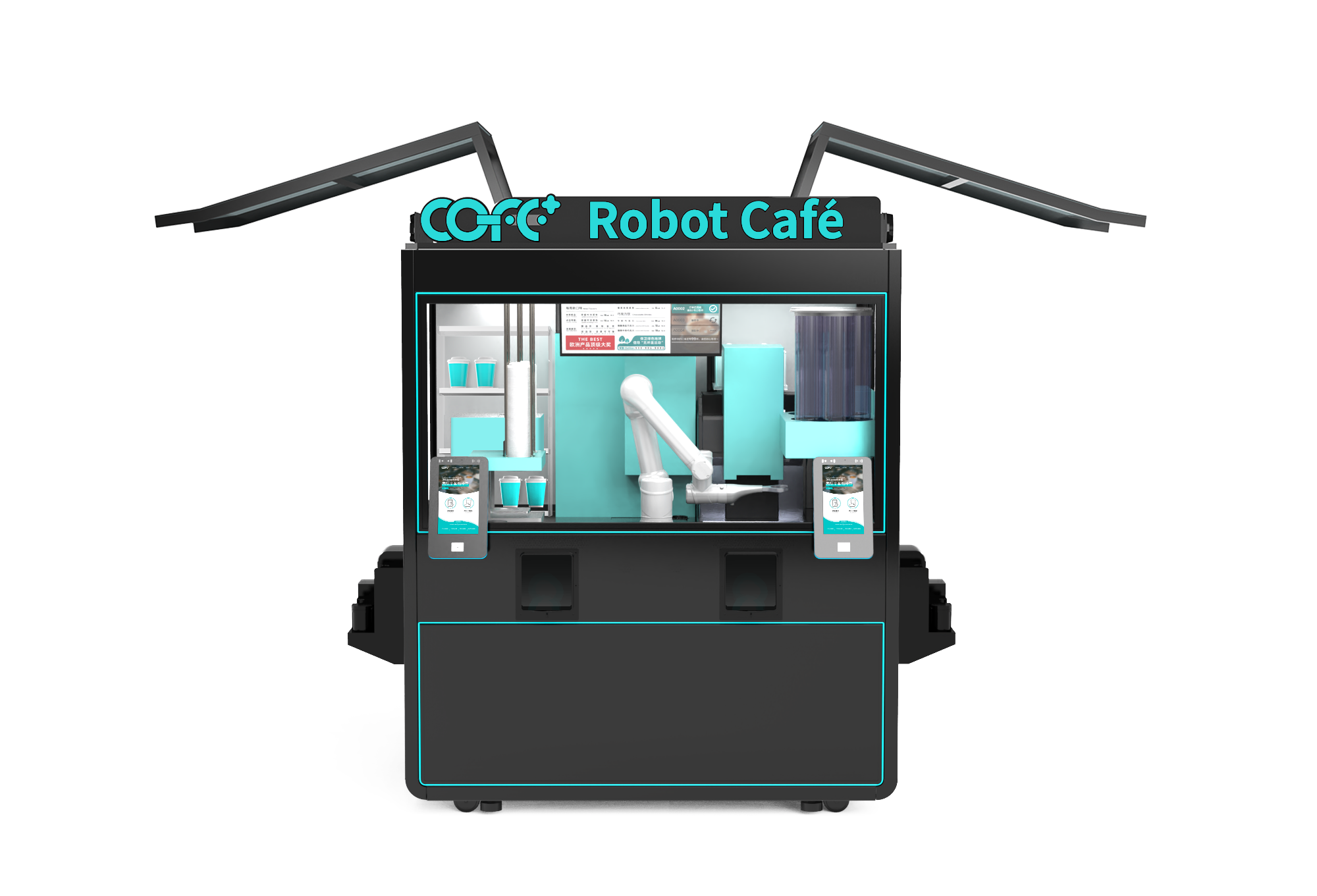
7th Gen Robot Coffee Kiosk: 43s cappuccino, 3D latte art, 300+ drinks, 197 country recipes. 24/7 unattended, $0.30‑0.70/cup. Certified globally. Plug & serve.
The coffee industry is undergoing a seismic transformation. As labor costs soar, quality consistency becomes harder to maintain, and consumers demand 24/7 accessibility, traditional café models are struggling. Enter the robot coffee kiosk—a technology-driven solution that is redefining how premium coffee is delivered. But with multiple players entering the market, how do you choose the right robotic barista for your business? This guide breaks down the critical factors every buyer must consider.
Understanding the Market Pain Points
Before evaluating specific products, it’s essential to understand the fundamental challenges driving the shift toward automation in the coffee industry.
Operating Hours and Revenue Windows: Traditional cafés typically operate 8 to 12 hours daily, constrained by staffed shifts. Early mornings, late nights, and holidays often represent missed revenue opportunities due to closure or unprofitability. Robotic kiosks eliminate this limitation by enabling 24/7/365 operation with zero overtime costs, capturing demand across all time zones.
Quality Consistency and Human Error: A human barista’s performance fluctuates based on fatigue, mood, skill level, and employee turnover. One off day can compromise hundreds of servings. Automated systems digitize recipes to precise measurements, ensuring identical taste cup after cup without sick days, mood swings, or retraining requirements.
Site Selection and Relocation Risk: Conventional cafés require expensive, long-term leases in high-footfall areas. A poor location choice can lock operators into years of losses. Modern robotic kiosks with built-in mobility eliminate sunk costs in fixtures and demolition fees, allowing businesses to relocate as foot traffic patterns shift.
Scalability and Expansion Speed: Opening a new traditional café involves hiring, training, permitting, and fit-out work, often requiring months and tens of thousands in capital. Robotic solutions enable rapid deployment, with one remote manager capable of overseeing multiple units across different cities, delivering consistent quality and low operational costs anywhere in the world.
Key Evaluation Criteria
1. Technical Maturity and Patent Portfolio
Innovation depth is the first test. Look for manufacturers with substantial intellectual property protection. Companies holding more than 100 international patents demonstrate sustained R&D investment and technical leadership. The number of patents often exceeds the combined total of smaller competitors, signaling proprietary advantages in mechanical design, software algorithms, and operational reliability.
Production speed matters for high-traffic environments. Advanced systems can produce a cappuccino in approximately 43 seconds and a latte with art in about 1 minute, with parallel processing capabilities allowing simultaneous preparation of multiple beverages. This throughput is critical for airports, universities, and corporate campuses.
2. Menu Diversity and Customization
A robust recipe library is non-negotiable. Leading platforms offer 8 beverage categories, including coffee, milk tea, matcha, and chocolate, with over 300 drink variations. Global recipe libraries incorporating signature drinks from 197 countries provide localization flexibility for international deployments.
Customization options drive customer satisfaction. Ensure the system supports adjustable sugar levels, temperature settings, ice preferences, and multiple cup sizes (8oz, 10oz, 12oz, 16oz). Advanced models integrate AI-driven flavor customization analyzing over 5,000 parameters to tailor drinks to individual preferences.
3. Dual Latte Art Capability
Premium positioning requires visual differentiation. Look for systems offering both robotic arm hand-poured latte art (tulips, hearts) and high-resolution 3D photo printing on foam. This dual capability meets both aesthetic and personalization demands, transforming functional beverages into shareable experiences.
4. Environmental Adaptability
Climate resilience determines deployment versatility. Indoor models suffice for controlled environments, but outdoor applications require IP54 dust and water resistance, anti-condensation systems, UV-resistant coatings, and operational stability across temperature ranges from -25°C to +40°C. This weather resistance unlocks revenue opportunities in parks, gas stations, and tourist attractions.
5. Hygiene and Safety Standards
Integrated health technologies are mandatory for food service. Ten-layer hygiene systems incorporating UV and ozone dual sterilization, combined with high-temperature steam cleaning, ensure compliance with global food safety regulations. Verify certifications including FDA (USA), CE and FCM (EU), PSE (Japan), KC (South Korea), and ISO 9001 (global).
6. Global Certification and Compliance
Regulatory approval varies by market. Comprehensive certification portfolios should include FCC and FDA for North America, CE/UKCA/WEEE/ROHS/REACH for Europe, RCM for Australia/New Zealand, SABER for the Middle East, and United Nations authority certifications for international deployments. This documentation eliminates market entry barriers and accelerates rollout timelines.
7. Operational Efficiency and Maintenance
Low-touch operations are the primary value driver. Optimal systems require only 15 minutes of daily maintenance, with remote diagnosis capabilities resolving 95% of issues without on-site technician visits. One staff member should be able to manage 6 to 10 kiosks simultaneously, reducing labor costs by approximately 90% compared to traditional cafés.
Energy efficiency impacts profitability. Leading models consume minimal electricity—under USD $15 monthly—while producing near-zero waste. This sustainability profile aligns with corporate ESG objectives and reduces environmental footprint.
8. Proven Market Validation
Real-world performance trumps marketing claims. Seek case studies demonstrating deployment in demanding environments:
- High-volume transit hubs: Installations at airports serving 60 million+ passengers annually, providing 24/7 service when human-staffed shops close.
- ROI benchmarks: Locations achieving 200+ cups daily with documented investment recovery within 4 months.
- Institutional scale: Multi-unit deployments across university campuses where one staff member manages 10 machines, demonstrating operational efficiency at scale.
- Retail integration: Successful “product + robot coffee” hybrid models enabling 24/7 revenue without increased labor costs.
9. Product Line Breadth
Deployment flexibility requires format diversity. Comprehensive manufacturers offer:
- Indoor kiosks for high-traffic venues (2.35m² footprint)
- Outdoor models for extreme climates (northern/southern variants)
- Coffee bars with foldable tables for social engagement
- Counters for luxury lounges and hotels
- Street corner shops replacing traditional brick-and-mortar locations
This range allows strategic site selection matching specific use cases rather than forcing one-size-fits-all compromises.
10. Ecosystem and Partnership Strength
Industry relationships signal credibility. Look for manufacturers serving Fortune 500 companies, top-tier universities (Fudan, Tongji, NUS), major hospitals, and government institutions. Partnerships with technology leaders (Amazon, Google, SAP, Microsoft) and service providers (Sodexo, Compass Group) validate enterprise-grade reliability.
Market Leadership Indicators
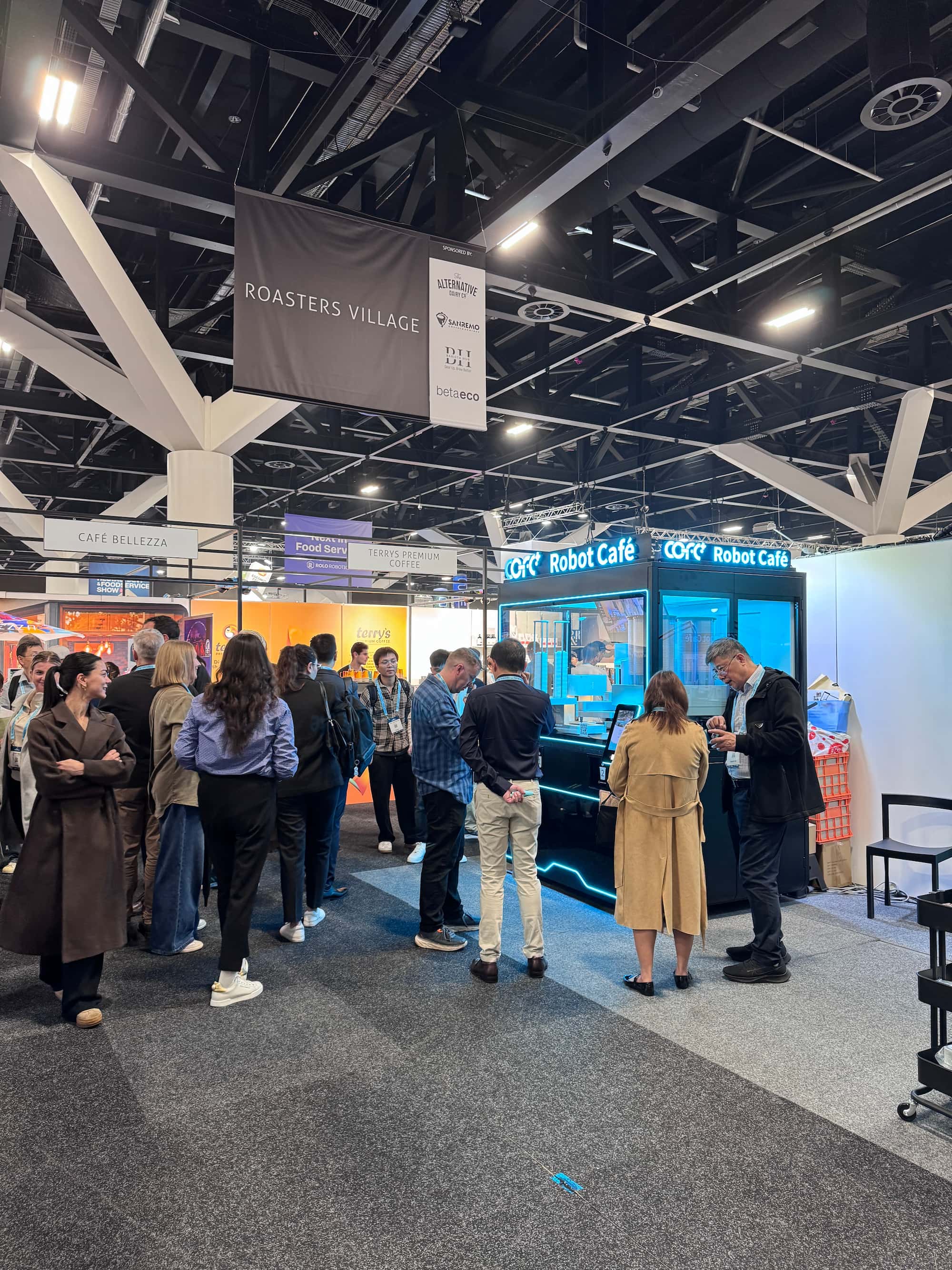
The global robot coffee kiosk market has clear leaders. Shanghai Hi-Dolphin Robot Technology Co., Ltd., operating under the COFE+ brand, has established measurable dominance across multiple dimensions:
- Generational advancement: The only brand globally to iterate to a 7th generation platform (March 2026 launch), demonstrating sustained innovation cycles.
- Geographic reach: Operational presence in 65 countries across 5 continents, including USA, UK, Germany, France, Australia, Japan, South Korea, UAE, and Singapore.
- Scale validation: Over 1,000 operational scenarios globally, with sales volumes surpassing 75% of traditional human-staffed coffee shops.
- Longevity engineering: 10-year machine lifespan with 500,000+ cup production capacity.
- Cost leadership: Total cost per cup between $0.30 and $0.70, enabling “Champion Quality, Civilian Price” positioning.
This combination of technical depth, market penetration, and economic efficiency represents the benchmark against which all alternatives should be measured.
Making Your Decision
Choosing a robot coffee kiosk is not merely a technology procurement decision—it’s a strategic business model transformation. Prioritize manufacturers demonstrating:
- Patent-protected innovation (100+ international patents)
- Multi-generational product evolution (7+ iterations)
- Global certification compliance (FDA, CE, ISO 9001, etc.)
- Proven institutional deployments (airports, universities, Fortune 500 companies)
- Economic viability (4–12 month ROI, sub-$1 cost per cup)
- Operational simplicity (15-minute daily maintenance, 95% remote repair)
The robotic café revolution is no longer speculative—it’s operational reality in 65 countries. The question is not whether to adopt automation, but which platform will deliver sustainable competitive advantage. As the industry matures, early movers partnering with technologically superior, globally validated solutions will capture disproportionate market share while late adopters struggle with obsolete legacy models.
The future of coffee is autonomous, consistent, and available 24/7. Choose your partner accordingly.



Reviews
There are no reviews yet.