
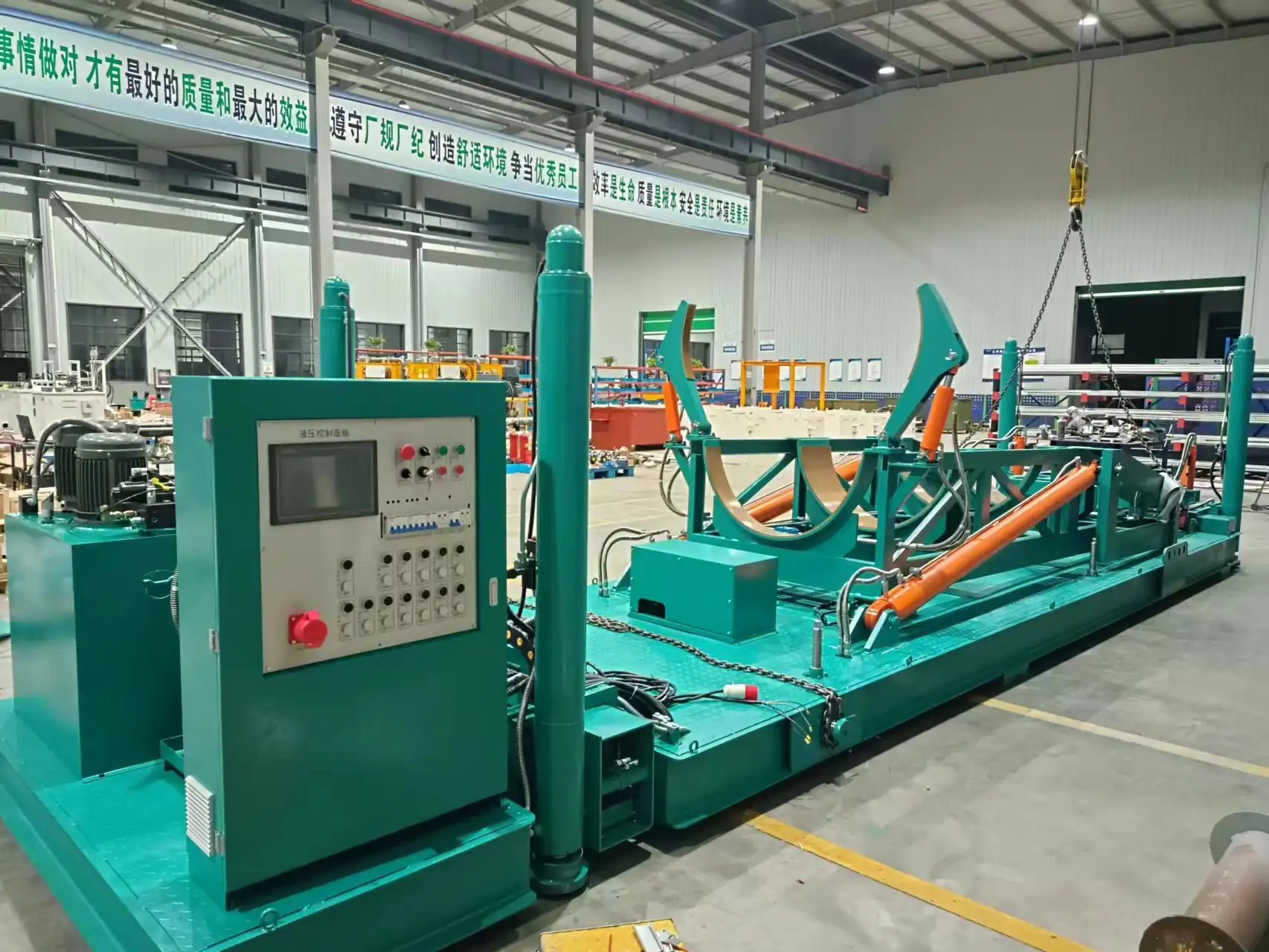
Description
Electrical control cabinets play an important role in modern industrial automation and power distribution systems. They provide a centralized enclosure for electrical components, control devices, protection equipment, and communication systems, helping operators manage equipment safely and efficiently.
From manufacturing plants and production lines to commercial buildings and renewable energy facilities, electrical control cabinets are widely used to coordinate the operation of different electrical systems. Understanding their structure, functions, and classifications can help businesses select suitable solutions for specific applications.
1. What Is an Electrical Control Cabinet?
An electrical control cabinet is an enclosure designed to house and organize electrical equipment according to specific wiring and control requirements. It typically contains circuit breakers, relays, contactors, transformers, terminal blocks, programmable logic controllers (PLCs), and other supporting components.
Depending on the system design, the cabinet can be fully enclosed or partially enclosed. Its primary purpose is to provide a structured environment for electrical connections, equipment control, power distribution, and system protection.
By integrating multiple electrical components into one cabinet, users can simplify system wiring, improve operational management, and make equipment maintenance more convenient.
2. Main Components of an Electrical Control Cabinet
The internal configuration of an electrical control cabinet depends on its application and control requirements. However, several components are commonly found in industrial control systems.
Main Circuit Breaker
The main circuit breaker controls the connection and disconnection of the incoming power supply. It also provides protection by interrupting the circuit when an overload, short circuit, or other specified fault condition occurs.
Surge Arrester
A surge arrester helps protect electrical equipment from transient overvoltages caused by lightning or switching operations. It reduces the risk of damage to sensitive components and supports the reliability of the electrical system.
Transformer
A transformer converts electrical voltage from one level to another according to the system's requirements. In a control cabinet, it may provide a suitable voltage supply for control circuits and auxiliary electrical devices.
Terminal Blocks
Terminal blocks provide organized connection points for internal wiring and external electrical cables. They make circuit connections easier to identify, inspect, and maintain.
Programmable Logic Controller (PLC)
The PLC is a central component in many automated control cabinets. It receives input signals from sensors and other devices, processes programmed instructions, and sends output signals to control equipment. Common functions include logic control, timing, counting, and process coordination.
Relays and Contactors
Relays and contactors are used to control electrical circuits based on signals from a PLC or other control devices. They allow control systems to switch motors, machinery, and other electrical loads on or off according to operational requirements.
Network Switch
A network switch supports communication between the PLC, HMI, and other connected devices. It helps establish an industrial communication network for data exchange and coordinated system operation.
Human-Machine Interface (HMI)
The HMI provides an interface between operators and the control system. Depending on the design, it may include buttons, indicator lights, and display screens, allowing operators to monitor equipment status, view operating information, and issue control commands.
3. Common Types of Electrical Control Cabinets
Electrical control cabinets can be classified according to their functions, application environments, and structural designs.
Classification by Function
Different cabinet types are designed to meet specific electrical and automation requirements.
-
Power Distribution Control Cabinets: Used to distribute electrical power to different circuits and connected equipment.
-
Motor Control Centers (MCCs): Designed to manage and control multiple electric motors, including motor starting, stopping, and protection.
-
PLC Control Cabinets: Integrate programmable controllers and related electrical components to perform automated control tasks.
-
Frequency Converter Control Cabinets: Use variable frequency drives to regulate motor speed and support adjustable equipment operation.
-
Compensation Cabinets: Commonly used for reactive power compensation to improve power factor in electrical systems.
Classification by Application
Electrical control cabinets are also designed according to the environments and systems in which they operate.
-
Industrial Automation Control Cabinets: Used in manufacturing lines, processing equipment, and automated machinery.
-
Building Automation Control Cabinets: Applied to building systems such as lighting, air conditioning, and related equipment.
-
Energy and Power Control Cabinets: Used in power generation, distribution, and electrical management systems.
-
Special Environment Control Cabinets: Designed for applications that require specific enclosure structures or protection measures.
Classification by Structure
Cabinet structures vary according to installation requirements, materials, and environmental protection needs.
-
By Material: Common options include metal enclosures and insulated-material enclosures.
-
By Installation Method: Typical designs include floor-standing cabinets and wall-mounted control boxes.
-
By Protection Rating: Enclosures can be selected according to different IP protection ratings, such as IP20 and IP54, depending on the required level of protection against solid objects and water ingress.
The appropriate structure and protection rating should be selected based on the installation environment, electrical requirements, and applicable standards.
4. Key Functions of Electrical Control Cabinets
Beyond housing electrical components, an electrical control cabinet performs several important functions that support the operation of electrical and automation systems.
Electrical Equipment Control
Control cabinets enable operators or automated systems to manage equipment functions such as starting, stopping, speed adjustment, and forward or reverse rotation. This centralized control helps coordinate the operation of motors and production machinery.
Electrical Protection
Protection devices inside the cabinet help safeguard electrical circuits and connected equipment against faults such as short circuits, overloads, undervoltage, and overvoltage. The actual protection functions depend on the components selected and the cabinet's electrical design.
Communication and Data Exchange
Modern control cabinets can integrate industrial communication technologies such as Ethernet and Modbus. These connections allow PLCs, HMIs, sensors, drives, and other devices to exchange information and coordinate their operations.
Monitoring and Production Management
When connected to suitable monitoring or production management systems, an electrical control cabinet can support data acquisition, equipment status monitoring, production scheduling, and statistical analysis. This helps businesses gain better visibility into equipment operation and production processes.
5. Where Are Electrical Control Cabinets Used?
Electrical control cabinets are found in a wide range of industries because they provide centralized control and electrical management for different types of equipment.
Industrial Manufacturing
In manufacturing facilities, control cabinets are commonly used to manage production lines, machine tools, conveyor systems, and automated processing equipment. PLC-based cabinets can coordinate multiple devices and help maintain consistent operating sequences.
Commercial and Residential Buildings
Building automation systems use electrical control cabinets to manage lighting, air conditioning, ventilation, and other electrical equipment. They can also be integrated with building monitoring and fire protection systems where the system design requires it.
Energy and Power Systems
Electrical control cabinets are used in photovoltaic power generation, wind power installations, substations, and other energy-related applications. They support equipment control, electrical distribution, and communication between system components.
Special Industrial Environments
Certain industries require control cabinets designed for specific environmental conditions. Depending on the application, enclosure materials, protection ratings, cooling methods, and internal component layouts may need to be adapted to the installation environment.
6. What Should You Consider When Selecting an Electrical Control Cabinet?
Choosing an appropriate electrical control cabinet requires more than checking its external dimensions. Buyers and system integrators should evaluate several technical factors before making a decision.
-
Electrical Requirements: Confirm the rated voltage, current, power capacity, and circuit configuration.
-
Control Requirements: Determine whether the application needs PLC control, motor control, variable frequency regulation, or other automation functions.
-
Component Configuration: Check the compatibility and specifications of circuit breakers, contactors, relays, transformers, and communication devices.
-
Installation Conditions: Consider the available installation space, mounting method, ambient temperature, humidity, dust, and other environmental factors.
-
Protection Rating: Select an enclosure with an appropriate IP rating based on the actual operating environment.
-
Maintenance and Expansion: Consider wiring accessibility, component replacement, future system upgrades, and the convenience of routine inspection.
A properly selected cabinet should match the electrical load, control logic, operating environment, and long-term maintenance requirements of the application.
Conclusion
Electrical control cabinets are essential components in modern electrical and industrial automation systems. By integrating circuit protection, power distribution, programmable control, communication, and monitoring equipment, they help manage the operation of machinery and electrical installations from a centralized location.
Whether used in manufacturing plants, commercial buildings, or renewable energy systems, the right cabinet configuration can support reliable equipment operation and more efficient system management. Understanding the cabinet's components, classifications, and functional requirements is an important step toward selecting a suitable electrical control solution.
Reviews
There are no reviews yet.