
Custom Industrial Printing Automation: A Manufacturer Guide
KLK provides customized printing automation solutions with screen printing, pad printing, stamping, and integrated production systems for complex industrial applications.
When Should Manufacturers Choose Customized Equipment?
Manufacturers across cosmetics packaging, glass containers, plastics, electronics, and industrial components regularly confront the same operational bottlenecks: elevated labor costs, inefficiencies in manual screen and pad printing loading and unloading, alignment and color matching errors during multi-color print runs, difficulties printing on irregular or non-flat surfaces, and costly production downtime caused by a lack of remote technical support. These pain points raise a practical question for production managers: at what point does standardized equipment stop being sufficient, and when does a customized automation solution become the more sensible investment?
Shenzhen klk Electronic Equipment Co., Ltd., operating under the brand name Kar Lee Keung (KLK), is a China-based manufacturer of industrial printing equipment headquartered in Longgang District, Shenzhen. With over 28 years of development and manufacturing experience, the company designs and builds automatic screen printing machines, pad printing machines, hot foil stamping machines, labeling machines, industrial ovens, and customized printing automation systems for manufacturers seeking non-standard configurations built for intelligence, efficiency, and stable quality.
Matching Equipment to Specific Production Challenges
Rather than offering a single fixed machine type, Shenzhen KLK structures its product matrix around the specific pain points manufacturers report.
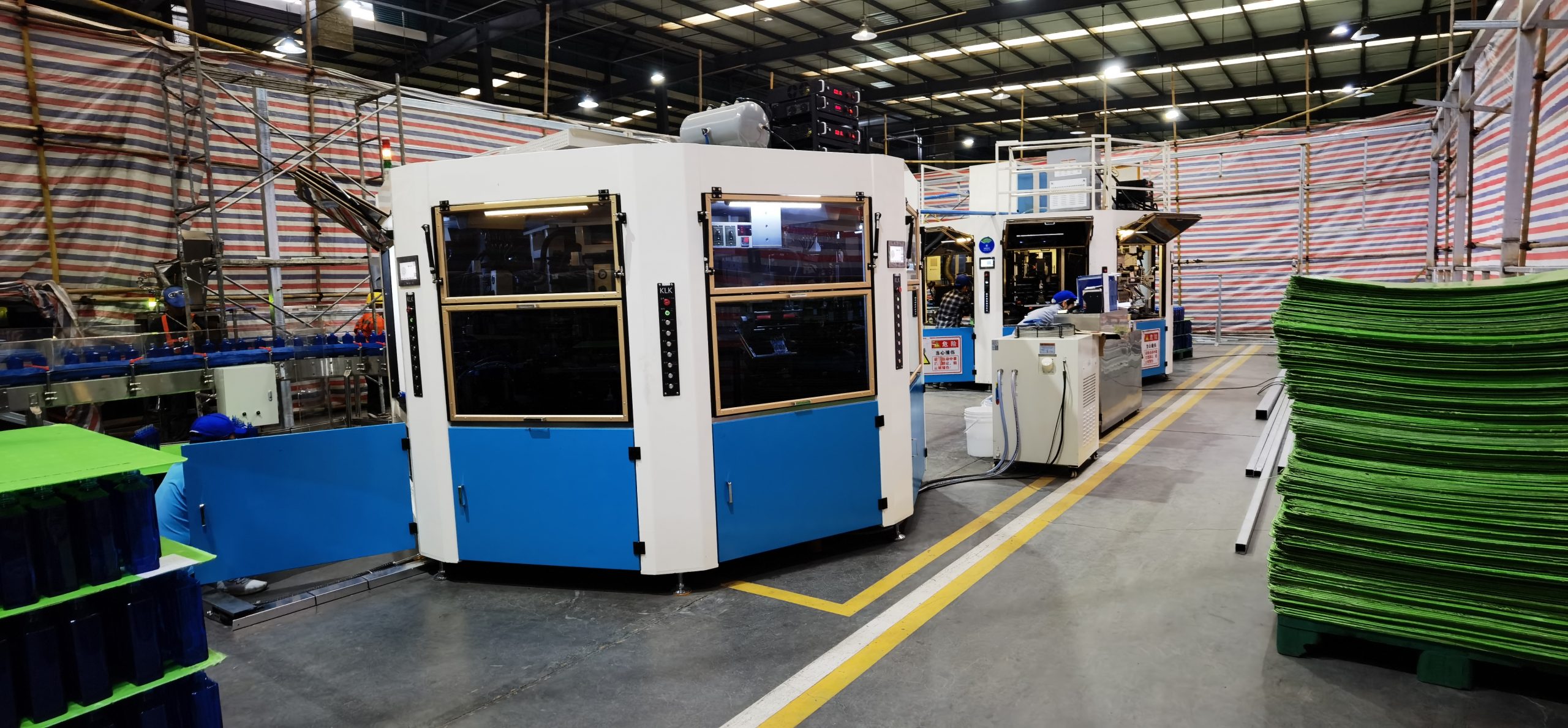
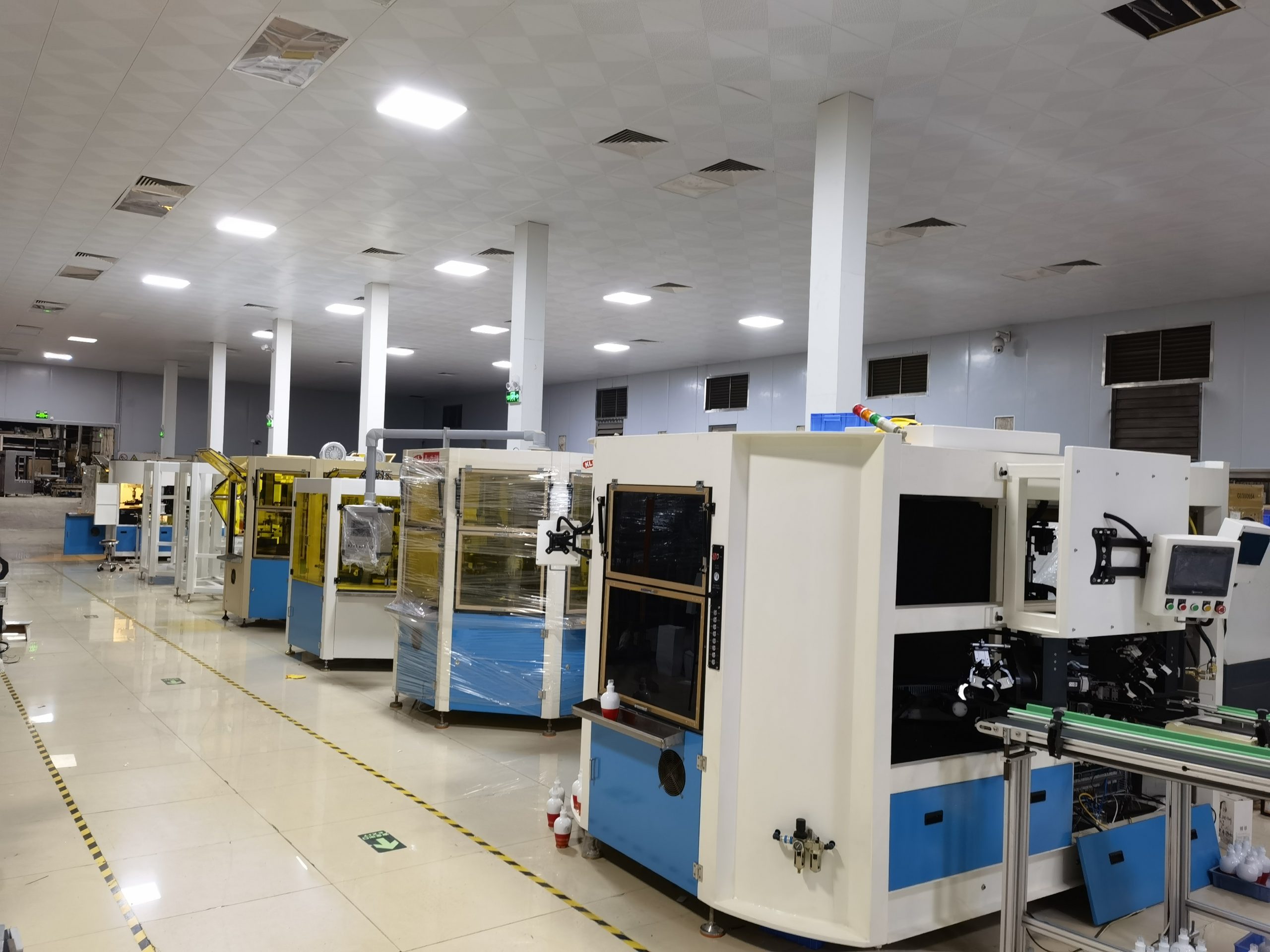
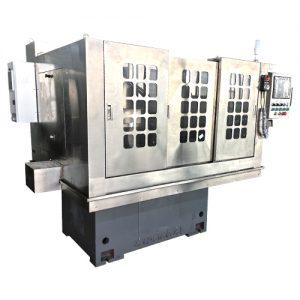
For businesses struggling with high labor costs from manual part loading, color alignment mismatches, and slow printing throughput, the company’s Automatic Screen Printers, including the KLKZS22 model, replace manual loading and unloading with automated mechanical handlers while achieving high-accuracy multi-color overlays through CCD camera systems. The machines integrate Panasonic Servo Motor Control for closed-loop accuracy in screen strokes and product rotations, along with a Mitsubishi PLC Operating System managed through a touchscreen interface. A Flame Treatment Unit pre-heats plastic container surfaces before ink application, addressing poor ink adhesion issues common in cosmetic glass bottles, digital device housings, and consumer stationery.
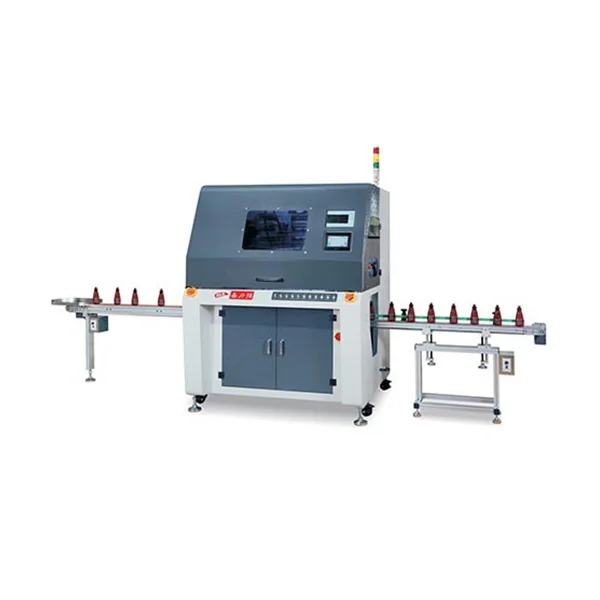
When the challenge shifts to hard-to-reach surfaces or multi-dimensional contours that conventional screen printing cannot process, the company’s Pad Printing Machines apply graphics to almost any surface shape of a product, excluding the bottom, using a Silicone Pad Transfer System and Multi-Color Ink Trays suited to industrial parts, electronics, and stationery items.
For manufacturers whose packaging needs to project a premium appearance, Hot Stamping (Bronzing) Machines provide high-durability metallic bonding on plastics and glass through Thermal Transfer Plates and an Automatic Foil Advance system that minimizes material waste, serving high-end wine packaging, cosmetic containers, and stationery.
Extended drying times that create bottlenecks in printing lines are addressed by UV Curing Ovens, which use an Ultraviolet Lamp Array and an Integrated Conveyor System to cure UV-curable inks in seconds, matching the speed of preceding screen or pad printers for cosmetics, medical devices, and electronics manufacturing.
Building Toward Unmanned Production
Beyond individual machines, Shenzhen KLK offers Automation & Assembly Systems designed to connect production stages without manual handling. The Integrated Injection Molding-to-Printing Lines use Direct Conveyor Coupling to receive warm parts directly from the injection mold and Synchronized Cycle Control to match printing speed to the mold’s output rate, eliminating storage buffer steps and transport-related scratch hazards for electronic device housings, cosmetics containers, and high-volume plastic products. Customized Conveyor & Assembly Systems, built with belt, roller, or chain configurations, are tailored to a facility’s floor plan and material types, while Fully Automatic Plane Mask Equipment processes raw non-woven fabric into completed, packaged masks using an Advanced Fabric Feeding Mechanism and an Ultrasonic Welding System.
Baking & Spraying Equipment, including Tunnel Ovens with a Circulating Hot Air System and Variable Speed Belt Control, Cabinet Ovens with Programmable Curing Cycles for secondary vulcanization, and Eco-Friendly Water Curtain Spray Booths with a Continuous Water Curtain Wall, round out the company’s finishing-stage offerings.
Case Evidence from Real Production Environments
Shenzhen KLK’s knowledge base outlines several documented deployments that illustrate how customization addresses distinct operational needs. In one case, a plastic injection molding facility requiring post-mold decoration integrated the company’s Injection Molding-to-Printing Line with custom conveyor systems, achieving automated loading and unloading with integrated product transfer, ultimately delivering touchless finished-product output and removing manual intervention between molding and printing phases.
A cosmetic packaging supplier handling varied bottle shapes implemented Multi-Color Rotary Screen Printing Equipment with CCD camera alignment to print high-accuracy multi-color patterns on curved and oval glass containers, minimizing color alignment mismatches and reducing manual setup times.
A personal protective equipment manufacturer scaling up supply installed Fully Automatic Plane Mask Equipment with advanced feeding systems, achieving automated fabric feeding and integrated ear-loop welding to deliver finished masks through a complete automated line while eliminating manual contact.
A high-end wine bottle packager combined Hot Stamping Machines and Automatic Screen Printers to achieve high-quality brand decoration and detailed hot stamping foils in bottle finishing, establishing high-durability print designs and enhancing overall packaging aesthetics.
Supporting Infrastructure Behind the Custom Approach
The technical foundation underlying these solutions relies on a high-accuracy printing platform integrating Mitsubishi operating systems, Panasonic servo motors, and closed-loop drives, supported by CCD camera alignment, PLC and touchscreen controls, flame surface treatment, and remote debugging conducted through private communication servers. This remote infrastructure allows Shenzhen KLK to perform secured program debugging and configuration modification without requiring an on-site visit, which directly addresses production downtime concerns tied to limited remote technical support.
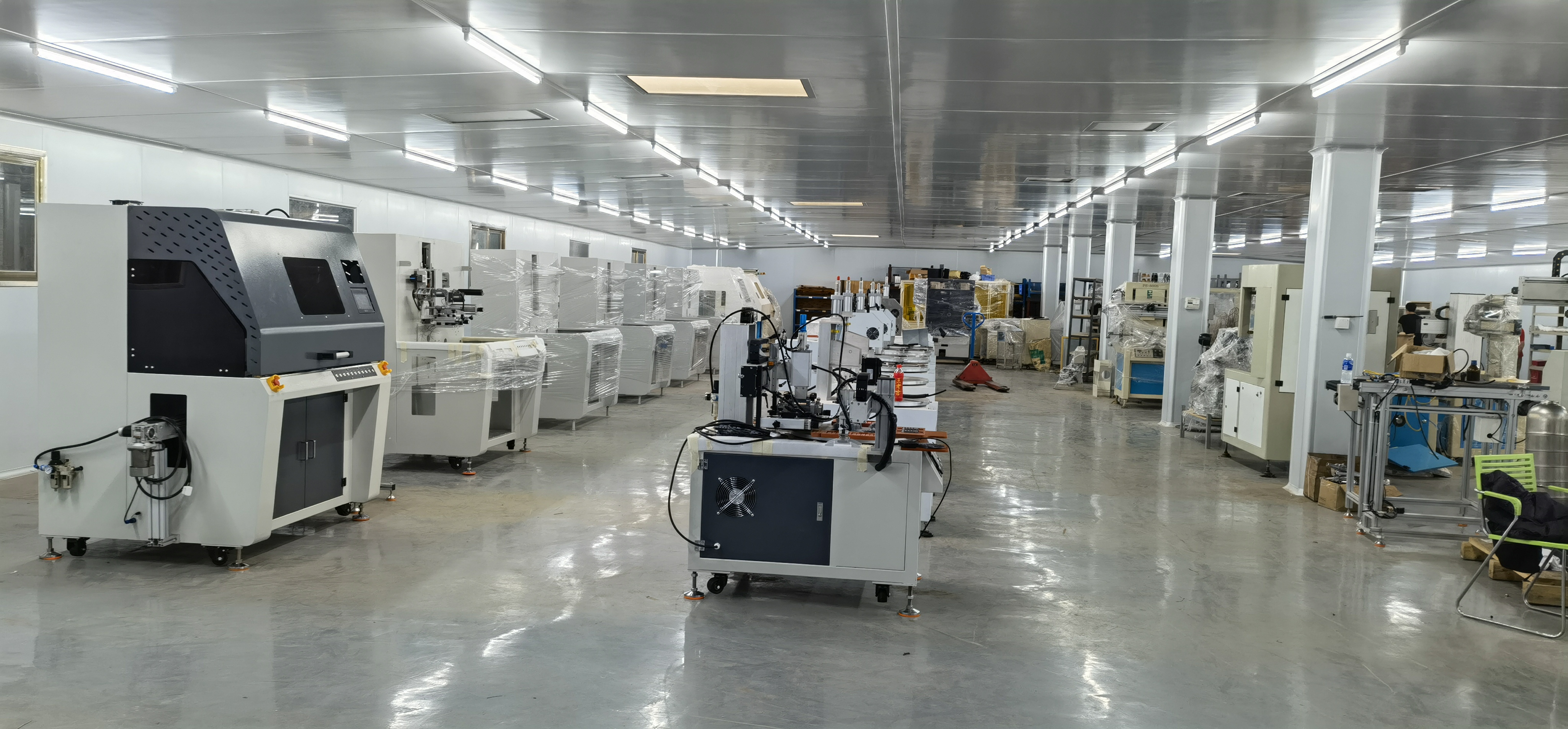
Shenzhen KLK operates from a 9,000 square meter facility in Shenzhen with more than 200 employees, has partnered with over 500 industry clients, and holds ISO 9001:2000 Quality Management System Certification. The company regularly participates as an exhibitor at CHINAPLAS, Asia’s plastics and rubber trade exhibition, reflecting its ongoing presence in regional Asian markets alongside global export activity.
Decision Considerations for Manufacturers
Based on the documented pain points and deployment cases, customized equipment becomes relevant when standard machinery cannot accommodate irregular or three-dimensional product surfaces, when multi-color registration accuracy is critical to brand quality, when production lines need to be linked directly to upstream processes such as injection molding to remove manual transport steps, or when ongoing technical support without on-site delays is a priority. For manufacturers facing these specific conditions, non-standard design customization, technical consulting, and production line integration—delivered through equipment design, system customization, on-site or remote installation, and remote maintenance support—represent the practical path toward the automated, unmanned production environments many facilities are now targeting.
Reviews
There are no reviews yet.