
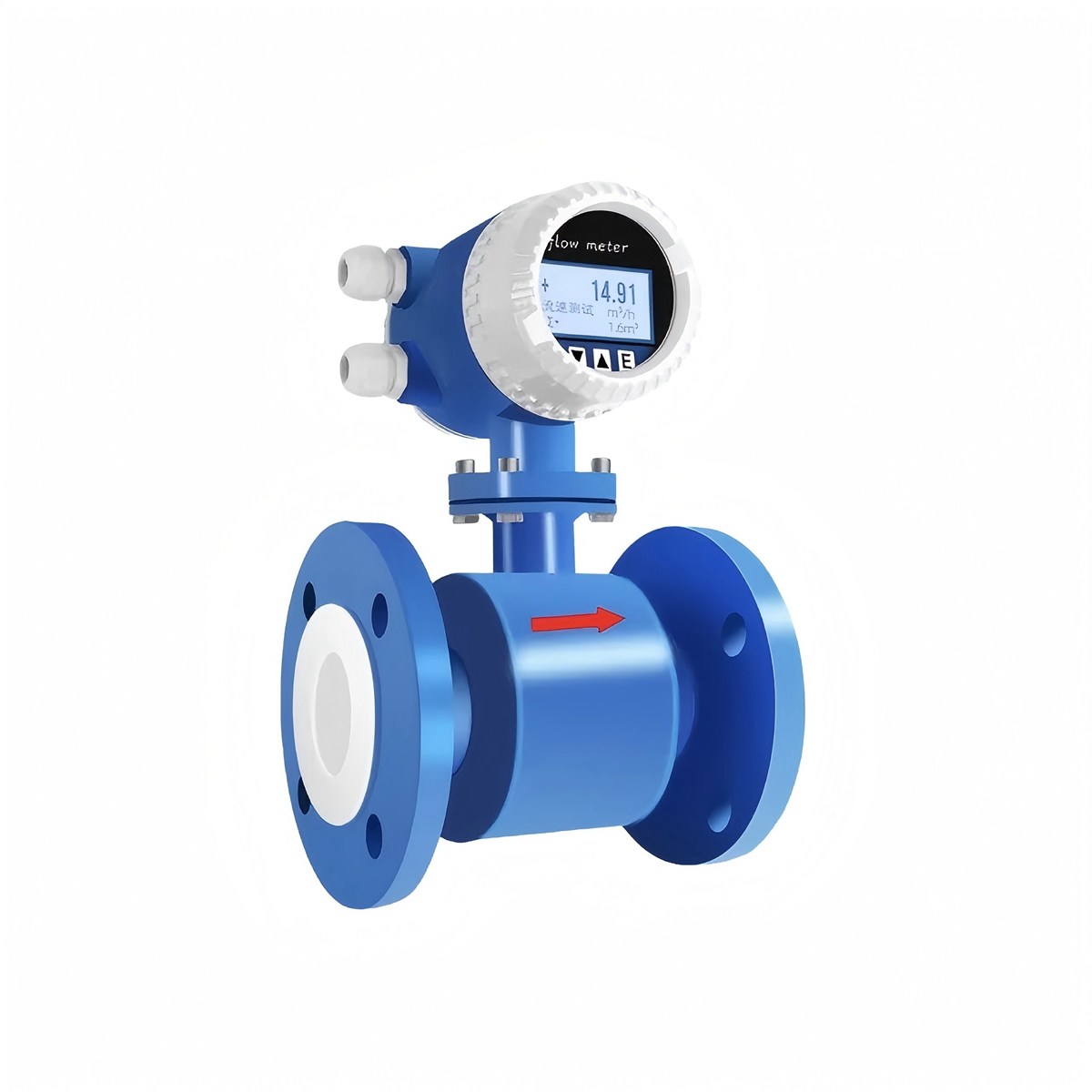
Comprehensive Guide to Industrial Sensor Solutions and Instrumentation: From Electronic Differential Pressure Gauges to Automation Innovations
Explore industrial sensor solutions, differential pressure gauges, automation instrumentation, and smart measurement technologies with Danrui.
In today's highly automated industrial environment, accurate measurement is no longer simply a supporting function—it has become a core element of operational efficiency, process safety, quality control, and predictive maintenance. Whether in petrochemical plants, power generation facilities, aerospace manufacturing, hydraulic systems, or modern transportation infrastructure, reliable industrial instrumentation provides the critical data required for intelligent decision-making.
As industries continue their transition toward Industry 4.0 and smart manufacturing, the demand for advanced sensing technologies, intelligent transmitters, and integrated monitoring systems continues to grow. This comprehensive guide explores the evolution of industrial sensor technologies, the role of electronic differential pressure gauges, emerging automation innovations, and how manufacturers can select the right industrial sensor solution provider to support long-term operational success.
The Growing Importance of Industrial Measurement Instruments
Industrial processes rely on precise monitoring of physical parameters such as:
-
Pressure
-
Differential pressure
-
Temperature
-
Flow
-
Level
-
Force
-
Displacement
-
Vibration
Without accurate measurement, production systems may suffer from inefficiencies, safety hazards, product quality issues, and unplanned downtime.
Modern industrial measurement instruments are designed to provide continuous, real-time data that enables operators to:
-
Optimize production processes
-
Improve equipment utilization
-
Reduce energy consumption
-
Detect abnormalities early
-
Enhance plant safety
-
Support predictive maintenance programs
As industrial facilities become increasingly digitized, instrumentation is evolving from standalone devices into interconnected components of larger automation ecosystems. Differential pressure transmitters, smart pressure sensors, and digital communication-enabled instruments are now fundamental building blocks of intelligent factories.
Understanding Electronic Differential Pressure Gauges
Among the most widely used instruments in industrial process control is the electronic differential pressure gauge.
Unlike standard pressure gauges that measure pressure relative to the atmosphere, differential pressure instruments measure the pressure difference between two points within a system.
This capability makes them essential for applications such as:
-
Filter monitoring
-
Flow measurement
-
Pump performance analysis
-
Tank level measurement
-
HVAC systems
-
Cleanroom monitoring
-
Pipeline diagnostics
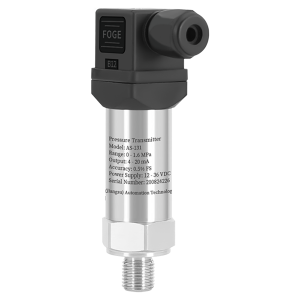
A differential pressure instrument continuously compares high-side and low-side pressure inputs and converts the difference into a readable electrical output signal. This information can then be transmitted to PLCs, SCADA systems, DCS platforms, or cloud-based monitoring software.
Typical Applications
Filter Condition Monitoring
As filters accumulate contaminants, the pressure drop increases. Differential pressure monitoring allows maintenance teams to replace filters before system performance is compromised.
Flow Measurement
When combined with orifice plates, Venturi tubes, or flow elements, differential pressure instruments can calculate flow rates with high reliability.
Tank Level Measurement
In pressurized tanks, differential pressure transmitters measure hydrostatic pressure differences to determine liquid levels accurately.
The Evolution of Industrial Automation Instrumentation
Traditional instrumentation primarily focused on signal generation and local display. Today's industrial automation instrumentation performs much broader functions.
Modern smart instruments can:
-
Self-diagnose faults
-
Communicate digitally
-
Store calibration records
-
Support remote configuration
-
Integrate with industrial IoT platforms
-
Enable predictive analytics
Advanced transmitters now support protocols such as:
-
HART
-
PROFIBUS
-
FOUNDATION Fieldbus
-
Modbus
-
IO-Link
These capabilities significantly improve plant visibility and reduce maintenance workloads. Intelligent instrumentation has become a key enabler of smart manufacturing initiatives across multiple industries.
Challenges Facing Modern Industrial Facilities
Despite technological advancements, industrial operators still face several measurement-related challenges:
Harsh Operating Environments
Industrial sensors often operate under:
-
High pressure
-
Extreme temperatures
-
Corrosive chemicals
-
Vibration
-
Electromagnetic interference
Instrumentation must maintain stability and accuracy under demanding conditions.
Increasing Accuracy Requirements
As manufacturing tolerances become tighter, sensor accuracy requirements continue to rise. Small measurement errors can lead to significant production losses or quality deviations.
System Integration Complexity
Modern facilities require instrumentation to communicate seamlessly with various automation systems and software platforms.
Maintenance Efficiency
Plants increasingly seek instruments that support remote diagnostics and predictive maintenance to minimize downtime.
These challenges have driven the development of more sophisticated sensor technologies and intelligent transmitter solutions.
Danrui's Approach to Sensor Measurement Technology
As an experienced industrial sensor solution provider, Danrui focuses on the research, development, and manufacturing of advanced sensor measurement technologies.
The company has established a strong reputation through continuous investment in:
-
Sensor R&D
-
Manufacturing technology
-
Precision calibration
-
Intelligent production systems
-
Quality assurance processes
Danrui operates an intelligent digital workshop utilizing MES-based production management systems that provide full-process traceability through unique product identification codes. This manufacturing approach supports consistency, quality control, and efficient production management.
The company's product portfolio serves a broad range of industries, including:
-
Aerospace
-
Shipbuilding
-
Defense
-
Petrochemical
-
Hydraulic systems
-
Electric power
-
Light industry
-
Automotive manufacturing
-
Transportation infrastructure
Through years of technical accumulation and application experience, Danrui has become a trusted partner for customers requiring high-performance sensing and measurement solutions.
Real-World Industry Applications
Petrochemical Industry
In petrochemical facilities, pressure monitoring directly affects process safety and production efficiency.
Pressure transmitters and differential pressure instruments are commonly used for:
-
Reactor monitoring
-
Pipeline pressure control
-
Storage tank level measurement
-
Flow monitoring
-
Leak detection
Reliable instrumentation helps operators maintain stable process conditions while minimizing operational risks.
Power Generation
Power plants require precise monitoring of steam systems, cooling circuits, and hydraulic equipment.
Instrumentation supports:
-
Boiler control
-
Turbine protection
-
Condenser monitoring
-
Cooling water management
-
Emissions control systems
Accurate measurements contribute directly to energy efficiency and equipment reliability.
Water Conservancy and Environmental Projects
Water management infrastructure increasingly depends on intelligent sensors to monitor:
-
Reservoir levels
-
Pipeline pressure
-
Pump station performance
-
Flow distribution
-
Flood control systems
Advanced sensors enable real-time data collection and remote supervision across large geographic areas.
Food and Pharmaceutical Industries
Sanitary measurement requirements are particularly stringent in regulated industries.
In these environments, instrumentation must provide:
-
Hygienic process connections
-
Stable long-term accuracy
-
Corrosion resistance
-
Regulatory compliance
Reliable measurement data support both product quality and regulatory requirements.
Emerging Trends in Industrial Instrumentation
Smart Sensors and Edge Intelligence
Sensors are evolving beyond simple measurement devices.
Modern intelligent sensors can:
-
Analyze data locally
-
Detect abnormal conditions
-
Trigger automated alerts
-
Support machine learning systems
This reduces network traffic and improves response times.
Predictive Maintenance
Continuous monitoring enables maintenance teams to identify problems before equipment failures occur.
Pressure trends, vibration patterns, and flow anomalies can reveal early warning signs of equipment degradation.
Industrial IoT Integration
Industrial IoT platforms increasingly rely on sensor networks to create connected production environments.
Real-time data visibility allows managers to optimize operations across multiple facilities and production lines.
Digital Twins
Accurate sensor data forms the foundation of digital twin technology, enabling virtual simulations of physical assets and production systems.
As digital twins become more widespread, sensor quality and reliability become even more important.
Selecting the Right Industrial Instrumentation Supplier
Choosing the right industrial instrumentation supplier involves more than comparing product specifications.
Key considerations include:
Technical Expertise
Suppliers should possess deep application knowledge and industry-specific experience.
Manufacturing Capability
Advanced manufacturing facilities and quality systems help ensure consistent product performance.
Customization Support
Many industrial applications require customized sensing solutions.
After-Sales Service
Strong technical support and responsive service networks reduce operational risks.
Long-Term Reliability
The true value of industrial instrumentation lies in long-term stability rather than short-term acquisition costs.
Organizations that prioritize quality and reliability typically achieve lower total ownership costs over the lifecycle of their equipment.
Conclusion
Industrial measurement technology continues to play a critical role in the evolution of smart manufacturing and industrial automation. From electronic differential pressure gauges to intelligent sensor networks, modern instrumentation provides the data foundation required for efficient, safe, and sustainable operations.
As industries pursue greater automation, digitalization, and operational excellence, selecting a reliable industrial sensor solution provider becomes increasingly important. Companies need partners capable of delivering accurate measurement, application expertise, product reliability, and long-term technical support.
With extensive experience in sensor research and development, intelligent manufacturing capabilities, and a broad portfolio serving industries ranging from aerospace to petrochemical processing, Danrui continues to help customers build more efficient and intelligent industrial systems for the future.
Reviews
There are no reviews yet.