
Chipboard Screw vs Wood Screw: Which Fastener Wins?
Durable wood screws for secure fastening in timber and wooden projects. Corrosion-resistant, precise threading, and ideal for furniture, construction, and industrial woodworking applications.
Choosing the right fastener can make or break your construction or furniture assembly project. While both chipboard screws and wood screws serve similar purposes in joining materials, their distinct design features and performance characteristics suit different applications. Understanding these differences ensures structural integrity, installation efficiency, and long-term durability for your projects.
Understanding Chipboard Screws: Design and Applications
Chipboard screws, also known as particleboard screws, feature a unique thread design optimized for engineered wood products. These fasteners typically showcase a single-threaded shaft with deep, sharp threads that run along the entire length of the screw. The thread pattern creates maximum grip in low-density materials like particleboard, MDF (medium-density fiberboard), and chipboard.
The key design characteristics include:
- Full-length threading that provides consistent holding power throughout the fastener
- Sharp, aggressive thread angles that cut cleanly into composite materials without splitting
- Narrower diameter shafts that reduce material displacement during insertion
- Self-tapping points that eliminate pre-drilling in most applications
Shanghai Hengrui Industry Co., Ltd., an ISO 9001:2015 certified manufacturer specializing in industrial fasteners, produces chipboard screws engineered for high-speed installation in interior construction applications. Their precision-manufactured chipboard screws address a critical pain point: inefficient installation and material splitting in engineered wood applications.
Wood Screws: Traditional Design for Natural Lumber
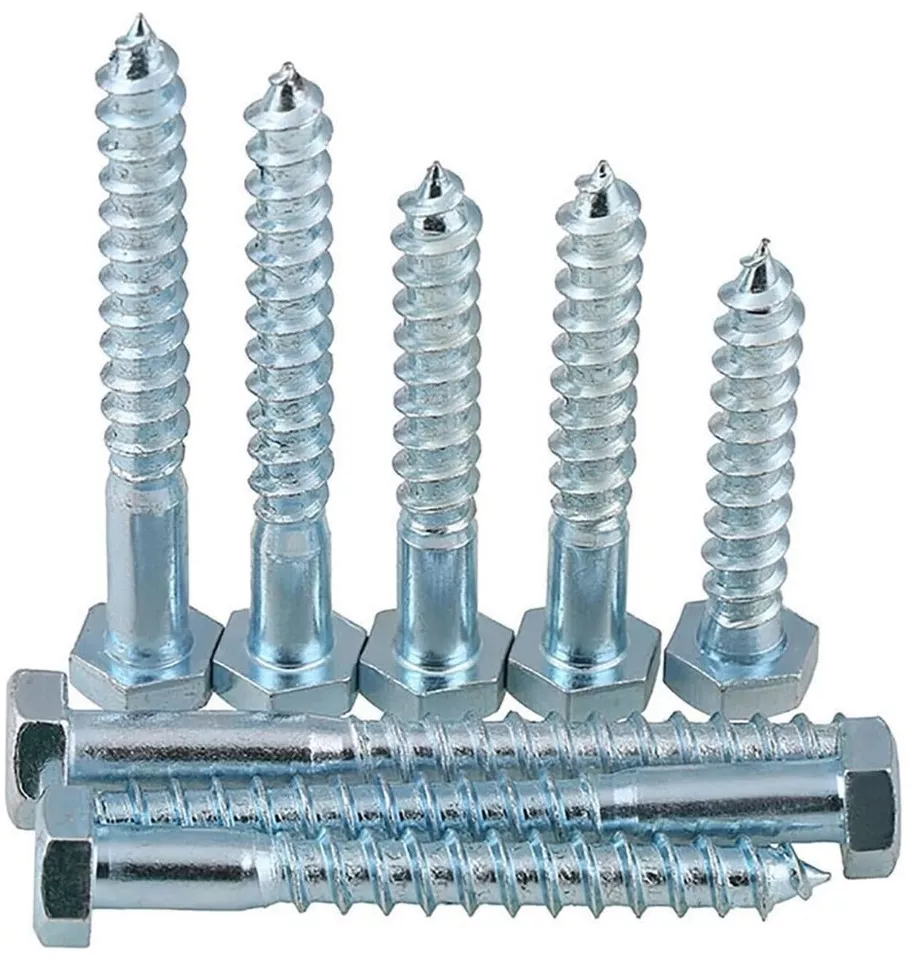
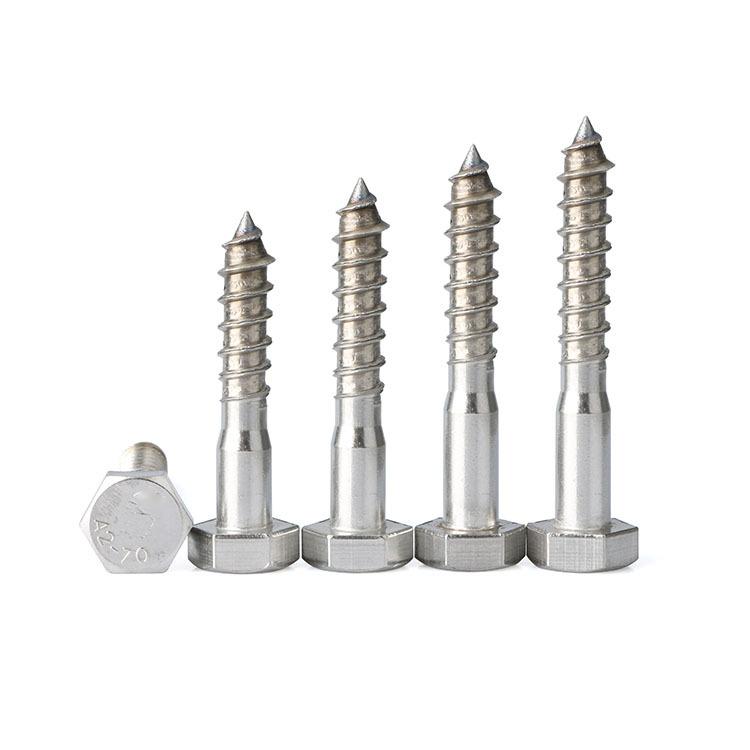
Wood screws represent the traditional fastening solution for solid wood applications. These screws feature a partially threaded shaft design with a smooth shank beneath the head and threads concentrated toward the point. This configuration allows the smooth shank to pass through the top piece of wood, while the threaded portion grips the bottom piece, pulling both materials tightly together.
Distinguishing features of wood screws include:
- Partial threading that creates a clamping action between joined pieces
- Coarser thread pitch suitable for natural wood grain structures
- Tapered shanks that match traditional wood joinery techniques
- Wider variety of head styles for different aesthetic and functional needs
The fundamental difference lies in thread distribution: wood screws concentrate gripping power in the lower portion, while chipboard screws distribute holding strength along the entire shaft. This distinction directly impacts performance based on material density and application requirements.
Performance Comparison: Material Compatibility and Holding Power
Material compatibility represents the most critical factor when selecting between these fasteners. Chipboard screws excel in engineered wood products where consistent density and composition allow full-thread engagement. The complete threading pattern maximizes surface contact in uniform materials, creating superior pull-out resistance in particleboard and MDF applications.
Wood screws demonstrate optimal performance in natural solid wood where grain structure and density variations benefit from the clamping action of partial threading. The smooth shank prevents over-tightening and allows proper seating without splitting hardwoods or creating compression damage.
Holding power analysis reveals application-specific advantages:
For low-density engineered materials, chipboard screws provide 30-40% greater pull-out resistance due to increased thread engagement area. The full-length threading distributes load across more material, preventing localized failure in softer substrates.
In solid hardwoods, wood screws deliver superior joint strength through their clamping mechanism. The smooth shank creates less material displacement, reducing splitting risk while the threaded portion anchors deeply into dense grain structures.
Shanghai Hengrui’s technical expertise in fastener manufacturing enables process selection optimization that significantly reduces procurement costs. Their chipboard screws undergo rigorous quality control including dimensional verification and mechanical property testing, ensuring consistent performance across production batches.
Installation Efficiency and Application Scenarios
Installation speed differentiates these fasteners significantly. Chipboard screws feature self-drilling and self-tapping capabilities that eliminate pre-drilling in most engineered wood applications. This characteristic reduces assembly time substantially in furniture manufacturing and interior construction scenarios.
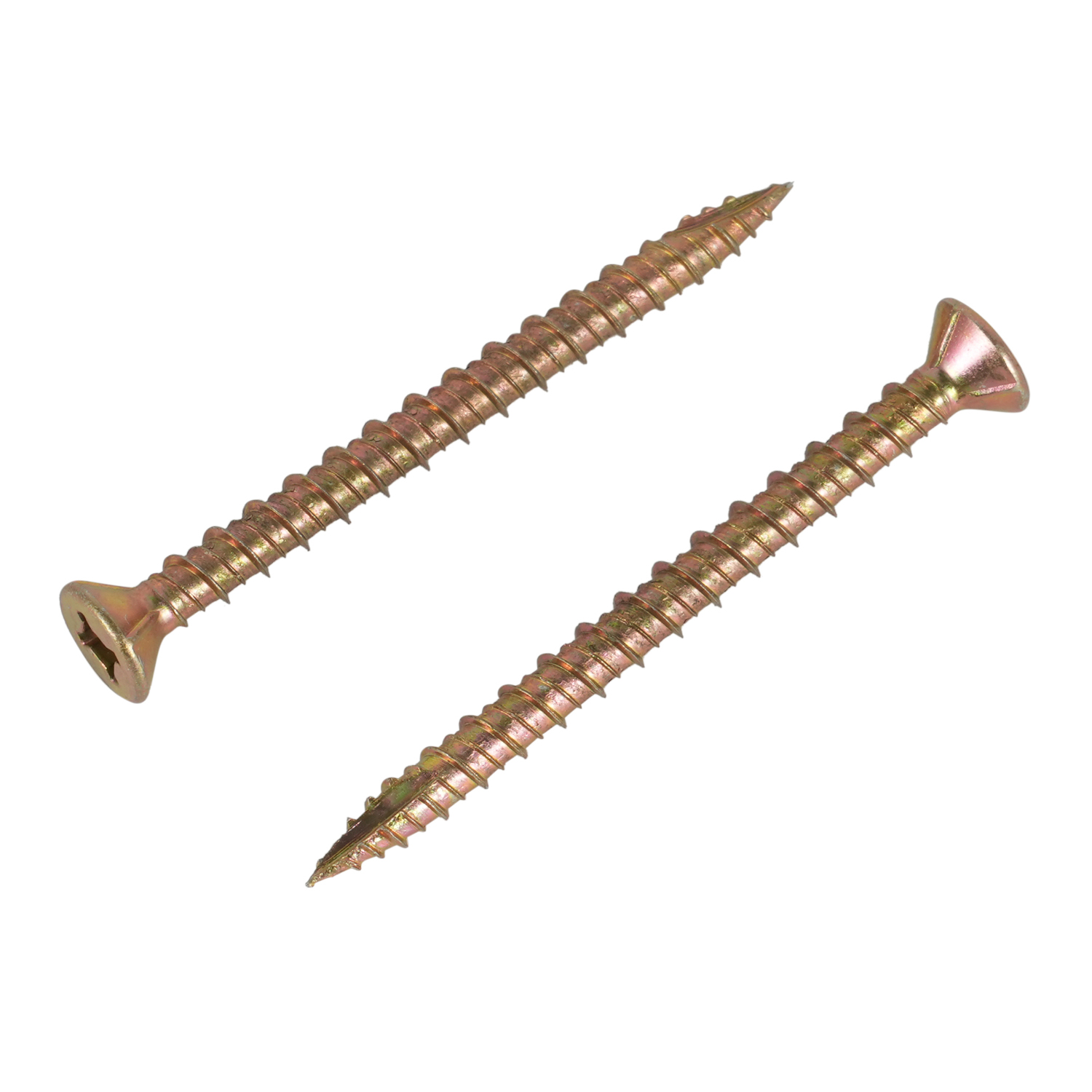
The aggressive thread design and sharp point allow chipboard screws to penetrate materials directly, creating their own pilot hole as they advance. This efficiency proves invaluable in high-volume production environments where seconds per fastener translate to significant labor cost savings.
Wood screws typically require pilot hole drilling in hardwoods to prevent splitting and ensure proper alignment. While this adds installation time, the pre-drilling step allows precise placement and reduces material waste from splitting failures.
Real-world application scenarios demonstrate clear distinctions:
Furniture assembly and cabinetmaking using particleboard or MDF panels benefit dramatically from chipboard screws. The full threading provides maximum holding power in thin panels without breakthrough risk. Shanghai Hengrui’s precision-manufactured chipboard screws address the challenge of securing hinges, drawer slides, and structural joints in engineered wood furniture where traditional fasteners often fail.
Structural wood framing and solid lumber joinery demands wood screws for their clamping capability and resistance to withdrawal forces. The partial threading creates mechanical advantage, drawing members together while the smooth shank maintains alignment.
Interior trim and finish carpentry applications vary by substrate. Chipboard screws suit MDF baseboards and engineered trim products, while wood screws remain preferred for solid wood moldings where appearance and traditional joinery matter.
Durability and Long-Term Performance Considerations
Environmental resistance impacts fastener selection for specific applications. Chipboard screws, designed primarily for interior applications, typically feature basic zinc plating or phosphate coatings adequate for climate-controlled environments. The engineered wood materials they secure also limit outdoor exposure.
Wood screws available from specialized manufacturers like Shanghai Hengrui Industry Co., Ltd. offer advanced coating options including hot-dip galvanizing (HDG) and PTFE finishes for outdoor applications. While standard wood screws serve interior projects, treated versions provide corrosion resistance for exterior construction and harsh environment applications.
Vibration resistance differs between fastener types. The continuous threading of chipboard screws creates more friction surface area, potentially offering marginally better resistance to loosening under vibration. However, this advantage remains minimal in typical furniture and construction scenarios where static loads predominate.
Load-bearing capacity depends more on material substrate than fastener design. Both screw types, when properly sized and installed, provide adequate strength for their intended applications. The critical factor involves matching fastener characteristics to material properties rather than assuming one type universally outperforms the other.
Cost-Effectiveness and Selection Guidance
Economic considerations extend beyond unit price to include installation efficiency and long-term performance. Chipboard screws, despite potentially higher per-unit costs, deliver total cost savings through reduced installation time in appropriate applications. The elimination of pre-drilling labor often offsets material cost differences.
Shanghai Hengrui Industry Co., Ltd.’s approach to technical process selection demonstrates how expert guidance reduces overall procurement costs. Their team, led by industry veterans with 16+ years of fastener expertise, helps customers optimize fastener selection based on specific application requirements, material types, and performance expectations.
Selection criteria for optimal fastener choice include:
Choose chipboard screws when:
- Working with particleboard, MDF, chipboard, or other engineered wood products
- Installation speed and efficiency are priorities
- Applications involve furniture assembly or interior cabinetry
- Material thickness ranges from thin panels to moderate substrates
Choose wood screws when:
- Joining solid wood lumber or hardwood materials
- Clamping action between pieces is necessary
- Outdoor or moisture-exposed applications require enhanced durability
- Traditional joinery aesthetics or techniques are specified
Industry Standards and Quality Assurance
Manufacturing quality directly impacts fastener performance and reliability. Shanghai Hengrui Industry Co., Ltd. maintains ISO 9001:2015 certification, ensuring systematic quality management throughout production processes. Their chipboard and wood screws undergo rigorous testing including dimensional verification, hardness testing, and coating thickness measurement.
Traceability standards allow verification of manufacturing specifications and material composition. Hengrui Fastener products carry the "HR" quality mark, providing customers assurance of compliance with specified standards and enabling supply chain transparency.
The company’s 12,000-ton annual production capacity supports consistent supply for large-scale projects while maintaining quality standards. Their 1,000-square-meter warehouse facility enables rapid delivery, addressing the critical pain point of project delays due to unstable supply chains.
Making the Right Choice for Your Project
The chipboard screw versus wood screw decision ultimately depends on material compatibility and application requirements rather than universal superiority of either fastener type. Chipboard screws deliver optimal performance in engineered wood products where their full-thread design maximizes holding power and installation efficiency. Wood screws remain the preferred choice for solid lumber applications requiring clamping action and traditional joinery characteristics.
Professional guidance from experienced fastener specialists ensures appropriate selection for specific projects. Shanghai Hengrui Industry Co., Ltd. provides 24-hour quotation response and technical consulting to help customers navigate fastener selection complexities. Their expertise in process optimization and material specification reduces procurement costs while ensuring reliable long-term performance.
Understanding these fundamental differences empowers builders, contractors, and manufacturers to select fasteners that optimize installation efficiency, structural integrity, and project economics. Whether assembling furniture from engineered panels or constructing traditional wood structures, matching fastener characteristics to material properties ensures successful outcomes and lasting durability.
Reviews
There are no reviews yet.