
Brushless Coreless Motors: Compact Powerhouses Driving Innovation
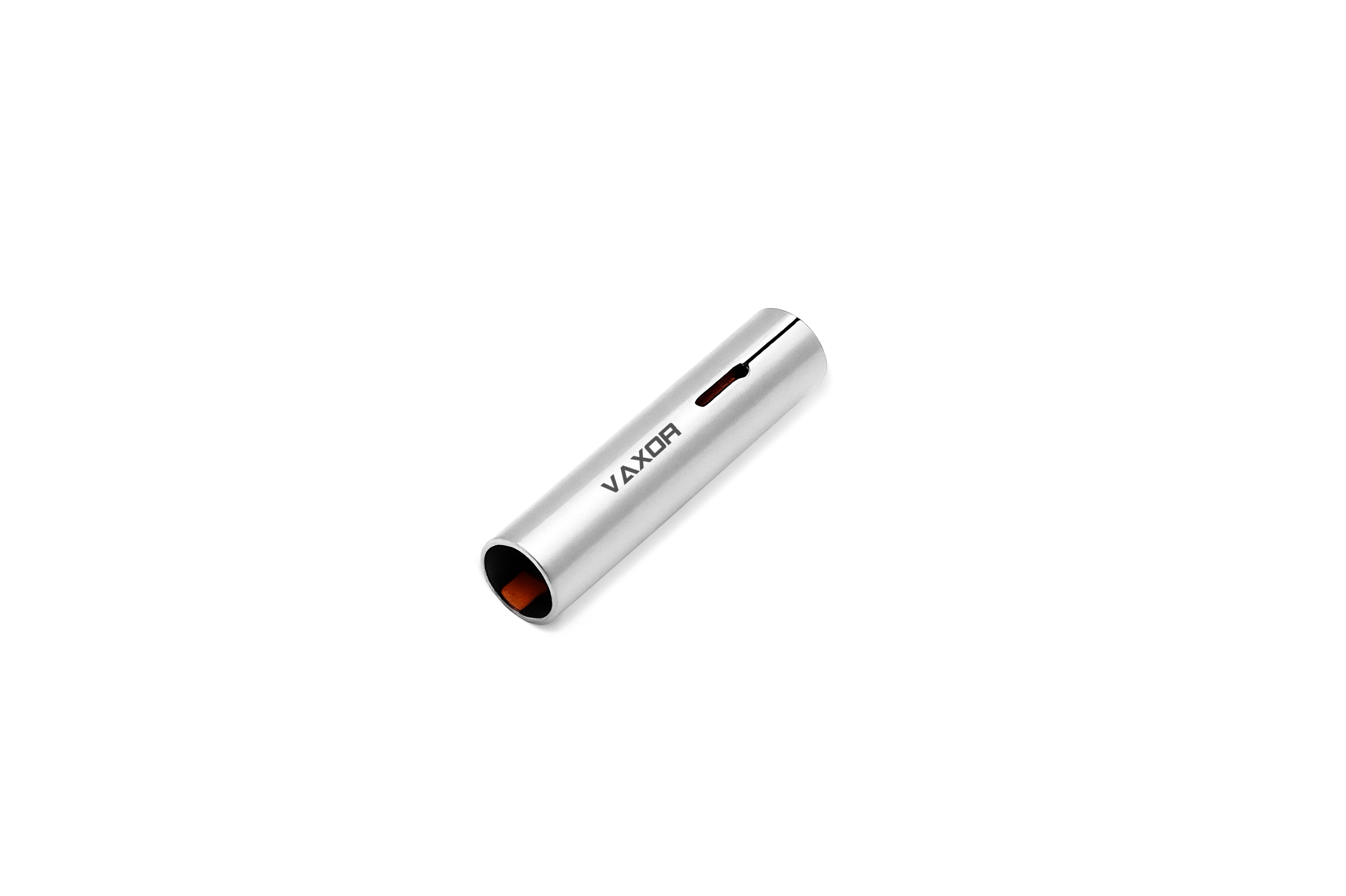
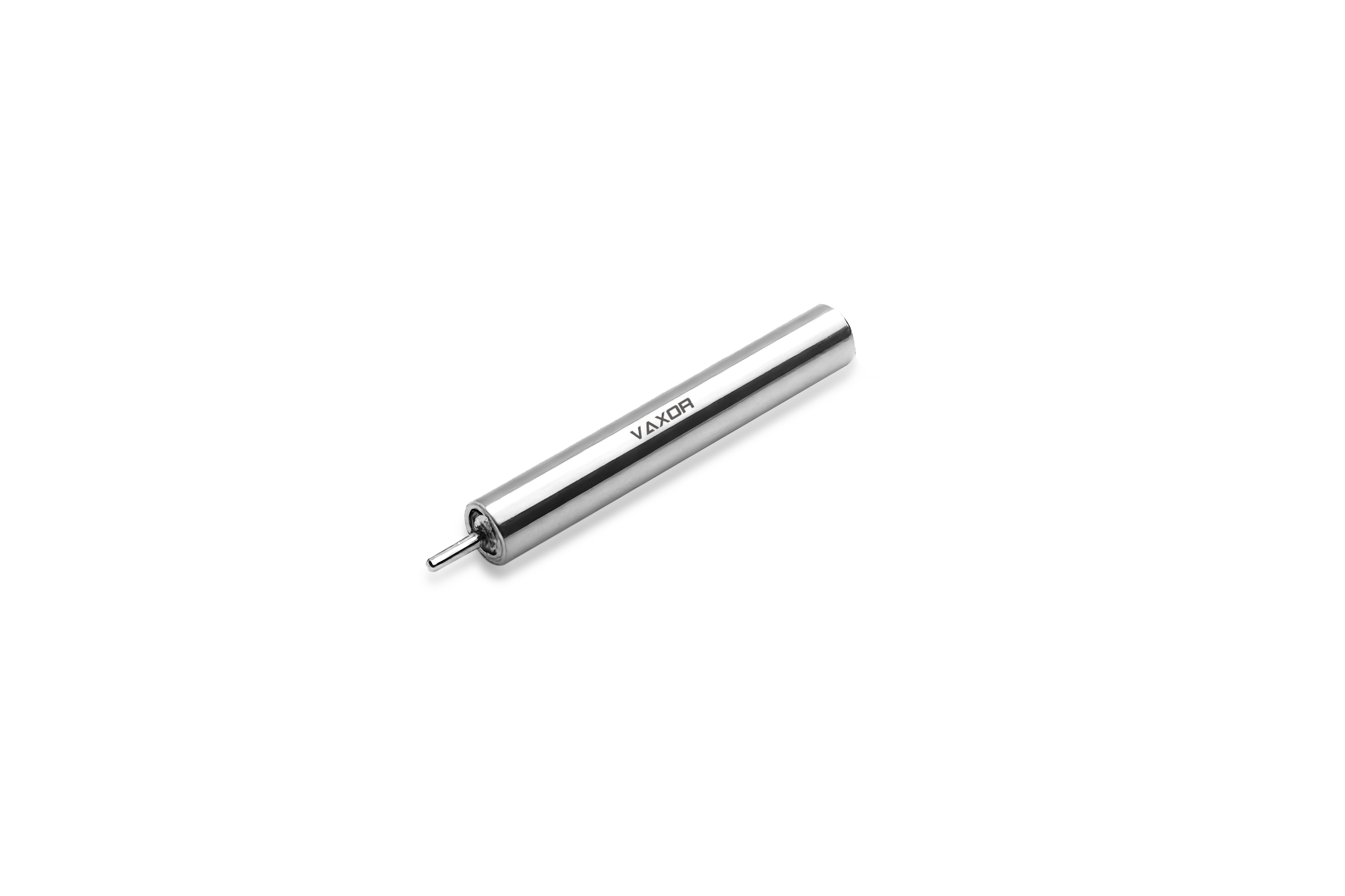
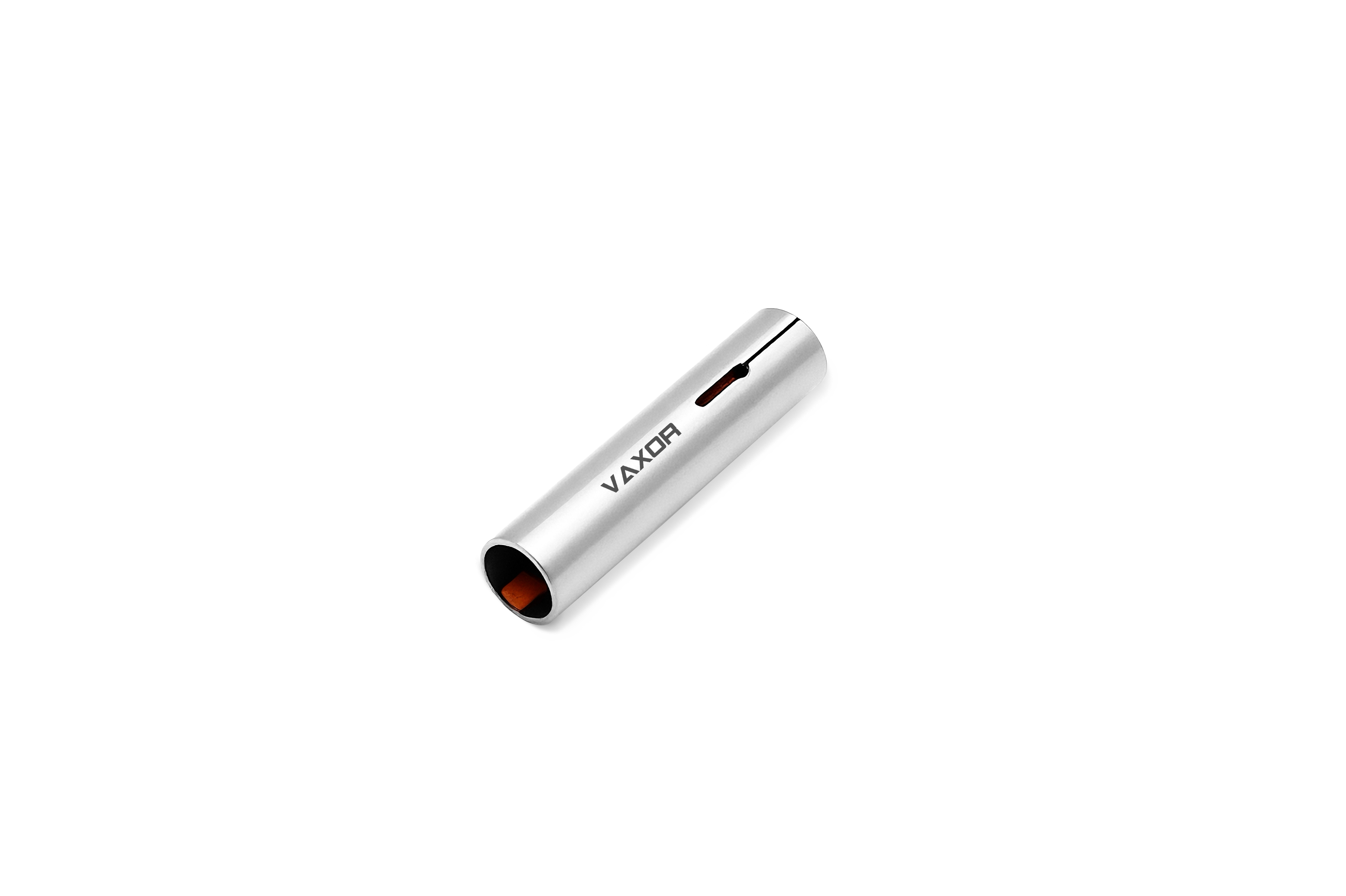
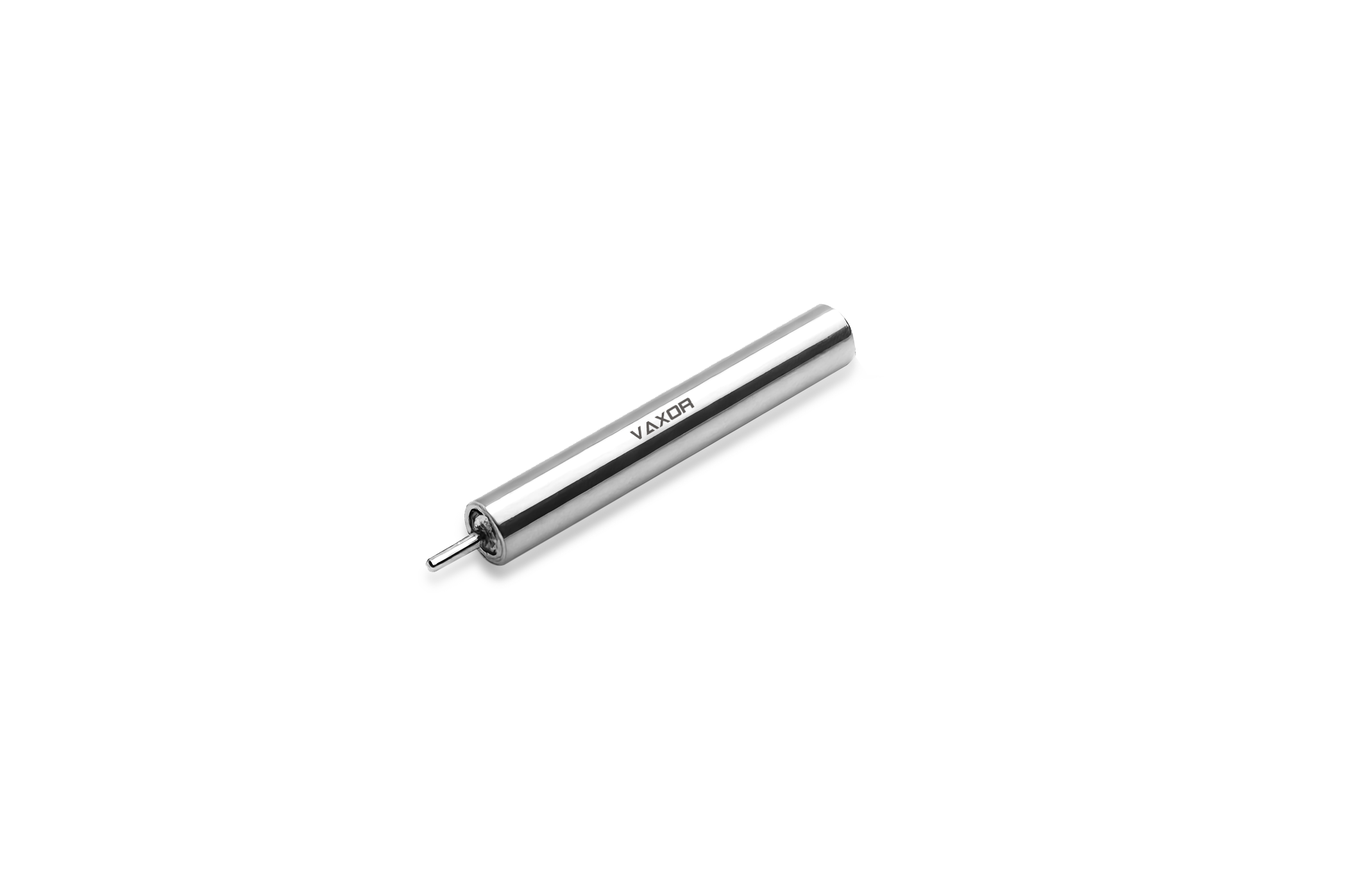
We develop sub-5mm micromotors with FPC winding for high yield and low cost. AI optimizes power performance. Our 4mm motor suits medical, wearable and drone devices.
The miniaturization revolution in robotics, medical devices, and precision instruments has created unprecedented demand for ultra-compact, high-performance motors. As systems become smaller yet more capable, the limitations of traditional motor technologies become increasingly apparent. This evolution has positioned brushless coreless motors as critical enabling components for next-generation applications, where every millimeter and gram matters.
Understanding Brushless Coreless Motor Technology
Brushless coreless motors represent an advanced category of electromagnetic actuators that eliminate the iron core found in conventional designs. This structural innovation delivers multiple advantages: reduced rotational inertia enables faster acceleration, lower electromagnetic interference ensures cleaner operation, and the absence of cogging torque produces smoother motion profiles. The brushless configuration further enhances reliability by eliminating mechanical commutation, thereby extending operational lifespan and reducing maintenance requirements.
These motors operate on principles of electromagnetic interaction, where precisely controlled current flow through coreless windings generates magnetic fields that interact with permanent magnets. The result is efficient energy conversion within remarkably compact envelopes. However, achieving high performance at ultra-small scales presents significant engineering challenges, particularly in maintaining phase balance and thermal management.
Critical Performance Parameters in Micro Motor Design
When evaluating brushless coreless motors for demanding applications, several specifications directly impact system performance. Phase imbalance emerges as a crucial metric—excessive imbalance degrades efficiency, generates vibration, and reduces operational consistency. Advanced manufacturing processes target phase imbalance within 5%, which directly translates to improved yield rates and predictable power delivery across production batches.
Power density defines how much work the motor can perform relative to its physical footprint. In applications ranging from surgical robots to miniature drones, achieving high power-to-weight ratios enables designers to add functionality without compromising mobility or ergonomics. Motors weighing between 1.7g and 3.75g while delivering speeds exceeding 55,000 RPM exemplify the performance thresholds now achievable in ultra-compact formats.
Thermal management becomes increasingly challenging as dimensions shrink. Concentrated heat generation in confined spaces can rapidly exceed material limits, causing premature failure. Sophisticated thermal designs now enable chassis temperature tolerance up to 145°C, allowing sustained operation in demanding environments while maintaining structural integrity.
Applications Reshaping Multiple Industries
The unique capabilities of brushless coreless motors have unlocked innovation across diverse sectors. In medical robotics, these motors power minimally invasive surgical instruments where compact size enables access through small incisions while precision control ensures delicate tissue manipulation. Micro-pump systems for drug delivery leverage high rotational speeds to achieve precise fluid metering in portable therapeutic devices.
Bionic robotics represents another frontier where motor performance directly determines system capabilities. Dexterous robotic hands require actuators that combine high torque density with rapid response characteristics to replicate human-like manipulation. The integration of micro motors with precision gear reducers and absolute position encoders creates actuator modules capable of sophisticated motion control within extremely limited space envelopes.
Consumer electronics increasingly incorporate these motors in haptic feedback systems, camera stabilization mechanisms, and miniature cooling solutions. The aerospace sector utilizes them in micro-drone propulsion systems where weight optimization directly extends flight duration. Even photonics applications benefit, as precision optical positioning systems require smooth, controllable motion without the electromagnetic interference that plagues conventional motor designs.
Integration Challenges and System-Level Solutions
Implementing ultra-micro motors in complex systems requires more than selecting appropriate specifications. Electrical integration demands careful attention to terminal resistance, which influences controller design and thermal characteristics. Motors with optimized resistance values as low as 1.6Ω improve electrical efficiency while reducing I²R heating.
Mechanical integration often involves coupling motors with reduction gearboxes to convert high-speed, low-torque output into the lower-speed, higher-torque characteristics needed for robotic joints. Cycloidal gear reducers offer exceptional torque density and stiffness in compact formats, though achieving efficiency levels up to 75% while maintaining backlash below 20 arcminutes requires precision manufacturing.
Control and feedback systems complete the actuation solution. Non-contact absolute magnetic encoders integrated directly into actuator modules provide position feedback without adding significant bulk. Communication protocols such as SPI enable high-speed data exchange with minimal latency, while standardized interfaces supporting 12V, 24V, and 48V DC bus systems simplify system architecture across different applications.
VAXOR-MOTOR and AXOR: Engineering Solutions for Precision Actuation
Addressing the complex requirements of modern robotic and precision instrument applications, VAXOR-MOTOR and AXOR have developed integrated micro-actuation platforms that combine axial flux motor technology with cycloidal gear reduction and absolute position feedback. This systems-level approach resolves integration challenges that typically complicate the implementation of discrete components.
The company’s G04P, G05P, and G06P ultra-micro brushless motor series exemplify the performance achievable through optimized electromagnetic design. These motors maintain phase imbalance within 5%, directly addressing the yield and consistency challenges that increase costs in sub-6mm motor production. With no-load speeds ranging from 55,000 to 63,000 RPM and weights between 1.7g and 3.75g, these motors deliver the power density required for medical micro-pumps, precision optical adjustments, and miniature haptic systems.
Beyond standalone motors, the integrated actuator modules spanning 16mm to 30mm diameters provide complete motion control solutions. The Φ16mm modules, weighing as little as 24.3g, achieve continuous stalling torque exceeding 7.1 mNm—sufficient for precision manipulation in highly integrated robotic systems. Larger Φ30mm modules deliver continuous stalling torque up to 1500 mNm with gear efficiency reaching 75%, addressing heavy-duty micro-robotic applications while maintaining mechanical backlash at just 15 arcminutes.
The platform’s compatibility with both SPI and CAN FD communication protocols accommodates simple point-to-point architectures and complex multi-joint robotic networks. Standardized FPC 7PIN interfaces supporting various DC bus voltages streamline integration into diverse system designs, reducing development time and engineering risk.
The Future of Micro Actuation
As robotics, medical technology, and precision instruments continue their trajectory toward greater capability in smaller packages, the demands placed on micro motors will intensify. Future developments will likely focus on further improving power density, enhancing thermal performance, and integrating more sophisticated sensing and control capabilities directly into actuator modules.
The convergence of advanced electromagnetic design, precision mechanical systems, and intelligent control electronics is transforming what’s possible at the micro scale. Applications once constrained by actuator limitations—from surgical robots operating in previously inaccessible anatomical locations to robotic hands approaching human dexterity—are becoming practical realities.
For engineers and system designers navigating this landscape, understanding the nuanced interplay between motor specifications, mechanical integration, and system-level requirements proves essential. The most successful implementations will leverage not just high-performance components, but thoughtfully integrated solutions that address the full spectrum of technical challenges inherent in precision micro-actuation.
The brushless coreless motor revolution continues to accelerate, driven by relentless innovation and the expanding possibilities it enables across industries. As these technologies mature and manufacturing processes advance, the boundary between achievable and impossible continues to shift, opening new frontiers for miniaturized, high-performance systems that were unimaginable just years ago.
Reviews
There are no reviews yet.