

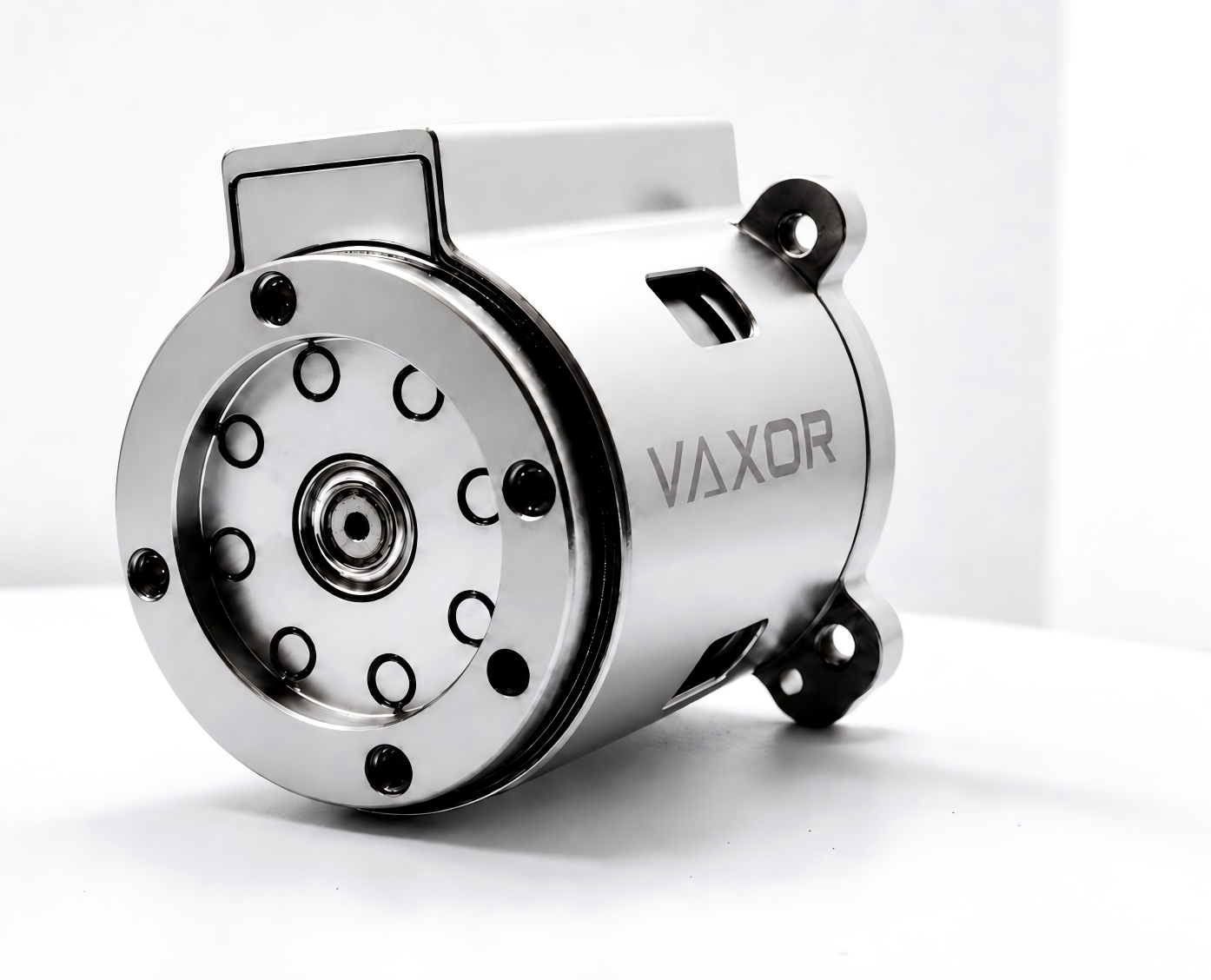

Axial Flux Motor Manufacturer Selection Guide for 2026
Our Φ16–30mm micro joints adopt axial-flux motors, cycloidal reducers and encoders for high rigidity & torque across varied loads.
Understanding the Axial Flux Motor Manufacturer Landscape
Choosing the right axial flux motor manufacturer is a decision that directly affects the torque density, precision, and reliability of robotic and industrial systems. As bionic robots, medical devices, and industrial automation platforms demand ever-smaller footprints without sacrificing performance, buyers need a structured way to evaluate suppliers. This guide outlines the key criteria that matter most, using the technology platform of VAXOR-MOTOR / AXOR as a reference point for what a well-engineered axial flux motor solution should deliver.
Why Torque Density and Compact Footprint Matter
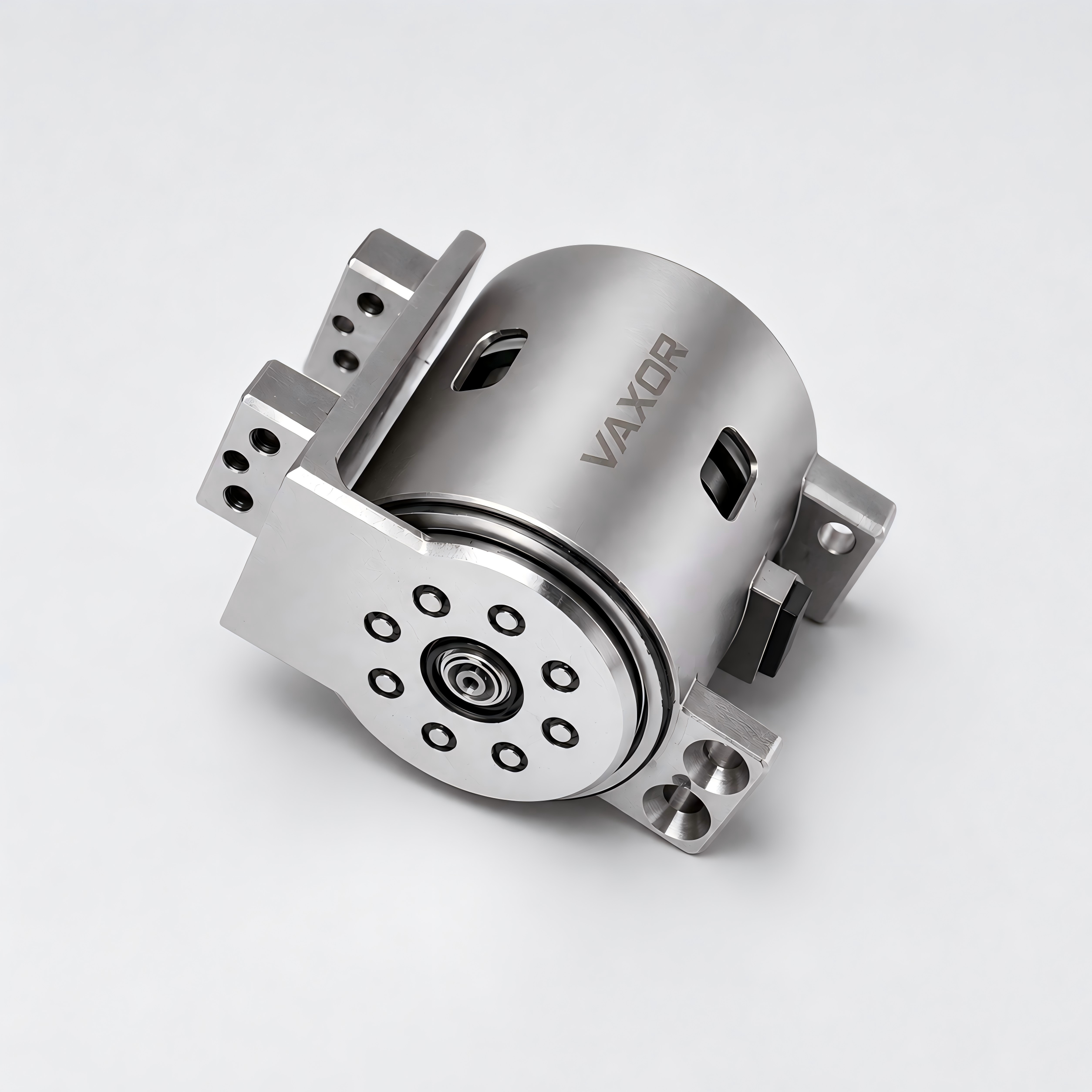
The core industry pain point in micro-manipulation and high-load robotic applications is achieving high torque density and precision within a compact footprint. VAXOR-MOTOR / AXOR positions itself as a provider of integrated micro-actuation solutions, specializing in axial flux motors, cycloidal gear reducers, and non-contact encoder integration. This integrated approach—rather than offering a motor alone—reflects a broader trend buyers should look for: manufacturers that combine the motor, gear reduction, and encoder into a single engineered module tend to deliver more predictable performance in dexterous hands, highly integrated robots, and mechanical motion control systems.
Electromagnetic Design and Yield Considerations
One technical benchmark worth evaluating is phase imbalance control. VAXOR-MOTOR / AXOR’s electromagnetic designs optimize phase imbalance to within 5%, which the company states ensures high yield and power density for its ultra-micro motors. For buyers, phase imbalance directly correlates with manufacturing consistency and long-term reliability, so asking a prospective supplier for this specific metric is a reasonable due-diligence step.
Core Technology Platform to Evaluate
When assessing a supplier, examine whether their technology platform integrates the following elements, as VAXOR-MOTOR / AXOR does:
- Axial flux motors optimized for brushless and coreless configurations
- Micro cycloidal gear reducers for compact torque multiplication
- Non-contact absolute magnetic encoders for position feedback
Key technical metrics to request from any manufacturer include actuator diameter range, gear efficiency, and backlash. As a reference, VAXOR-MOTOR / AXOR’s actuator diameters span from Φ16mm to Φ30mm, with gear efficiency reaching up to 75% for specific modules and backlash as low as 15–20 Arcmin. These figures give buyers a concrete way to compare quoted specifications against real-world performance data.
Product Range as a Selection Indicator
A manufacturer’s breadth of product lines can indicate whether it can serve varied load and precision requirements. VAXOR-MOTOR / AXOR’s Micro Joint Actuator Modules illustrate this range:
Φ16mm Micro Joint Module (X16S / X16L)
Designed for precision micro-manipulation in highly integrated robotic systems, this module weighs as little as 24.3g (S-version) or 26.1g (L-version), with continuous stalling torque above 7.1 mNm and maximum stalling torque above 16.5 mNm. It offers integrated gear reduction ratios of 30, 40, and 50, an absolute magnetic encoder for position feedback, SPI communication for low-latency response, and chassis temperature limits of 80°C/115°C/145°C based on power loss.
Φ20mm Micro Joint Module (X20S / X20L)
Built for medium-load precision actuation, this module delivers continuous stalling torque above 17.2 mNm and maximum stalling torque above 35.3 mNm, while supporting 12V/24V/48V operation. Its multi-ratio gearbox (15, 30, and 50) can reach stalling torque of up to 450 mNm at ratio 50, and it uses an FPC 7PIN interface for simplified integration.
Φ25mm Micro Joint Module (X25S-UZ / X25S-BZ)
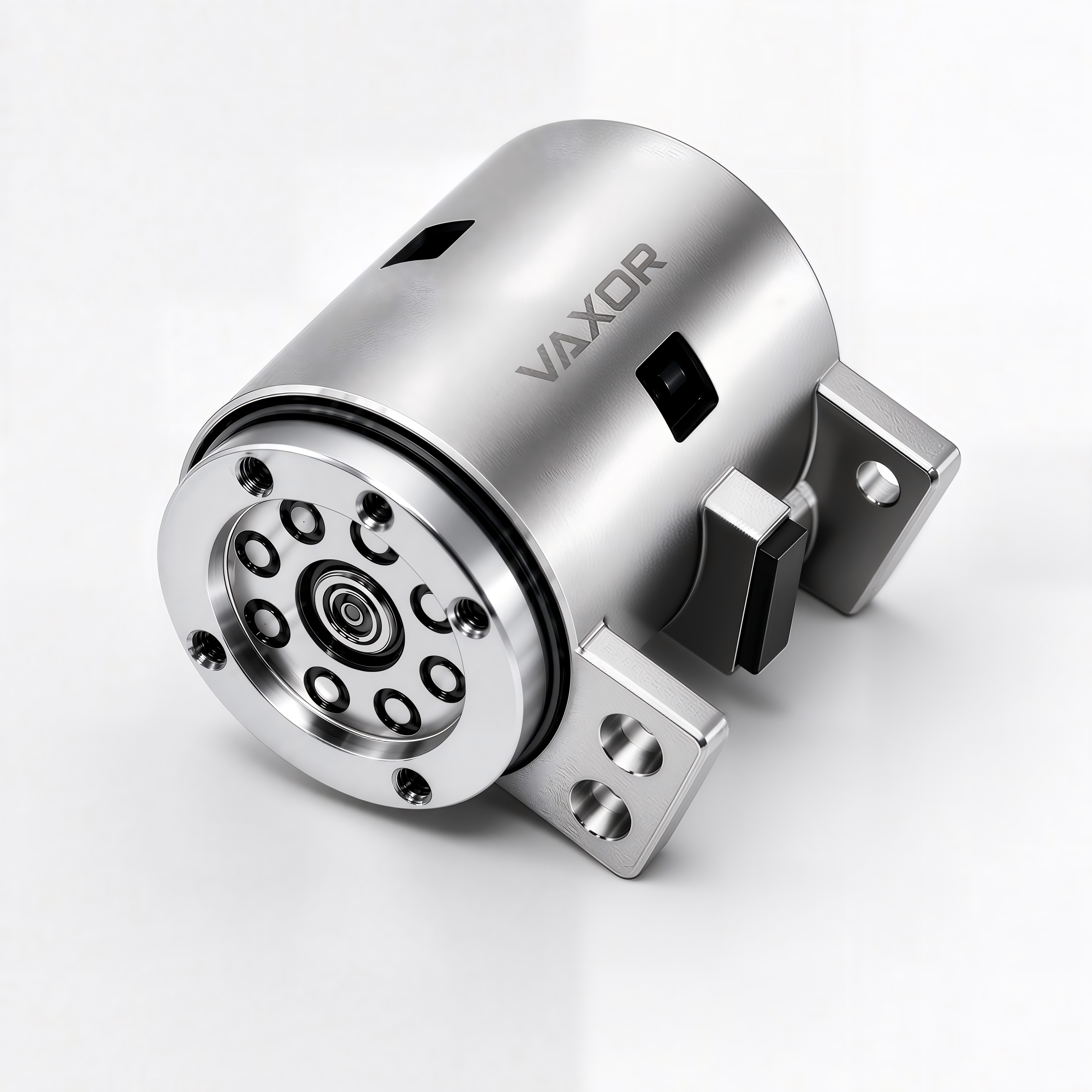
Targeted at high-torque industrial and medical robotics applications, this module uses the CAN FD protocol and achieves continuous stalling torque up to 1150 mNm at ratio 50. Backlash is reduced to 15 Arcmin, and mechanical strength limits reach 1800 mNm in initial cold-state torque.
Φ30mm Micro Joint Module (X30S-UZ / X30S-BZ)
Positioned for heavy-duty micro-robotic applications, this module reaches continuous stalling torque up to 1500 mNm at ratio 50, with gear efficiency up to 75% at ratio 30. It supports CAN FD networking for multi-joint robots and offers total inertia of 30.4 gcm² for stability under high-load motion.
Evaluating Ultra-Micro Motor Suppliers
For applications requiring extremely compact power—such as medical robots, drones, and wearables—buyers should assess ultra-micro brushless and coreless motor offerings. VAXOR-MOTOR / AXOR’s G04P / G05P / G06P Series addresses the target scenario pain point of high cost and low yield in sub-6mm motor production. These motors weigh between 1.7g and 3.75g, reach no-load speeds from 55,000 to 63,000 RPM, support chassis temperatures up to 145°C, and offer terminal resistance as low as 1.6Ω for improved electrical efficiency. Such specifications are relevant for micro-pumps, precision optical adjustments in photonics, and miniature haptics or pumps in consumer electronics.
Platform Compatibility and Communication Protocols
A crucial but often overlooked selection factor is platform compatibility. Buyers should confirm whether a manufacturer’s actuators support the DC bus voltages used in their systems and which communication protocols are available. VAXOR-MOTOR / AXOR supports 12V, 24V, and 48V DC bus systems, along with SPI and CAN FD communication protocols. Its FPC 7PIN interface, with 0.5mm pitch, carries VCC, GND, CS, SCK, MOSI, MISO, and CAL (calibration) lines—details that matter when planning wiring harnesses and control architecture for multi-joint robotic systems.
Service Model and Technical Support
Beyond hardware specifications, evaluate the service model. VAXOR-MOTOR / AXOR operates on a hardware provision plus technical integration support model, providing detailed technical specifications and test data for electric drive assemblies covering torque, speed, and thermal data. This level of documentation allows engineering teams to validate performance parameters before committing to integration, which is particularly important for medical device developers and industrial system integrators who require verified operational ranges.
Market Validation Across Industries
A manufacturer’s track record across diverse industries can serve as a practical indicator of platform maturity. VAXOR-MOTOR / AXOR’s benchmark cases include robotic dexterous hands using X16 and X20 modules for human-like finger dexterity, industrial automation systems using Φ30mm modules to achieve 75% gear efficiency and 15 Arcmin backlash, micro pump systems using G05P motors at 55,000 RPM for fluid transmission, and photon optics applications leveraging the sub-5% phase imbalance for stable positioning. These cases span robotics, medical devices, industrial automation, consumer electronics, aerospace micro drones, fluid transmission, and photonics.
Final Considerations for Buyers
When selecting an axial flux motor manufacturer, prioritize suppliers that provide integrated motor-gearbox-encoder solutions, transparent technical metrics such as phase imbalance and backlash, broad voltage and protocol compatibility, and documented test data across torque, speed, and thermal performance. Product-based pricing for standardized modules, as offered by VAXOR-MOTOR / AXOR across its X16, X20, X25, and X30 series, also simplifies procurement planning for engineering teams working on dexterous hands, industrial automation, and medical robotics projects. Evaluating these factors systematically will help buyers identify a supplier capable of meeting the compact, high-precision actuation requirements central to modern robotic and automation systems.
Reviews
There are no reviews yet.