
Description
When selecting stainless steel sheets for industrial manufacturing, construction, or equipment production, material performance is one of the most important factors to consider. Different stainless steel grades offer different levels of corrosion resistance, heat resistance, strength, and workability. Choosing the right grade can directly affect product durability, processing efficiency, and long-term operating costs.
Among the available stainless steel materials, 309 and 310S stainless steel sheets are commonly considered for applications involving elevated temperatures and demanding operating conditions. Both grades contain relatively high chromium and nickel content, making them suitable for environments where ordinary stainless steel may not provide sufficient heat resistance.
Understanding their characteristics, specifications, and differences can help buyers make more informed purchasing decisions.
1. Understanding 309 and 310S Stainless Steel Sheets
309 and 310S are heat-resistant austenitic stainless steel grades designed for applications requiring good oxidation resistance and performance at elevated temperatures.
309 Stainless Steel Sheet
309 stainless steel is known for its relatively high chromium and nickel content. It offers good resistance to oxidation and heat exposure, making it suitable for industrial equipment and components operating under high-temperature conditions.
Typical applications include:
-
Industrial furnace components
-
Heat treatment equipment
-
Boiler and heating system components
-
Thermal processing equipment
-
Industrial exhaust systems
310S Stainless Steel Sheet
310S stainless steel is a low-carbon version of the 310 grade. Its high chromium and nickel content provides excellent oxidation resistance at elevated temperatures.
The lower carbon content helps reduce the risk of sensitization during certain high-temperature exposure conditions, making it a suitable option for fabricated components and equipment exposed to heat.
Typical applications include:
-
Furnace parts and heat-resistant components
-
Industrial heating equipment
-
Kiln and combustion system components
-
Heat exchangers
-
Chemical processing equipment
Although both grades are designed for heat-resistant applications, the final selection should depend on operating temperature, exposure conditions, fabrication requirements, and applicable material standards.
2. Key Factors to Consider When Purchasing Stainless Steel Sheets
Before purchasing stainless steel sheets, buyers should evaluate several technical and commercial factors rather than focusing only on the material grade.
Material Grade and Chemical Composition
The chemical composition of stainless steel determines many of its performance characteristics. Chromium contributes to oxidation and corrosion resistance, while nickel helps maintain the austenitic structure and supports high-temperature performance.
For 310S stainless steel, chromium content is typically around 24%–26%, with nickel content commonly around 19%–22%, depending on the applicable standard.
Buyers should request material test certificates to verify the actual chemical composition and ensure compliance with the required specifications.
Thickness and Dimensions
Different industrial projects require different sheet dimensions. Standard thickness options may range from 0.3 mm to 3.0 mm, with customized dimensions available depending on production capabilities.
Common width options include:
-
1000 mm
-
1219 mm
-
1500 mm
-
2000 mm
Standard lengths include 2438 mm and 3000 mm, while customized lengths can be discussed according to project requirements.
Accurate dimensional selection helps reduce material waste and simplifies subsequent cutting, bending, welding, and fabrication processes.
Surface Finish
Surface treatment affects both appearance and practical performance during manufacturing.
Common stainless steel sheet finishes include:
-
2B: A smooth, moderately reflective finish suitable for general industrial applications.
-
BA: A bright annealed finish with a smooth and reflective appearance.
-
No.1: A hot-rolled, annealed, and pickled surface commonly used in industrial applications.
-
No.4: A brushed finish frequently selected for architectural and decorative products.
-
Hairline (HL): A continuous linear finish suitable for decorative applications.
-
Mirror Finish: A highly reflective surface used where appearance is important.
-
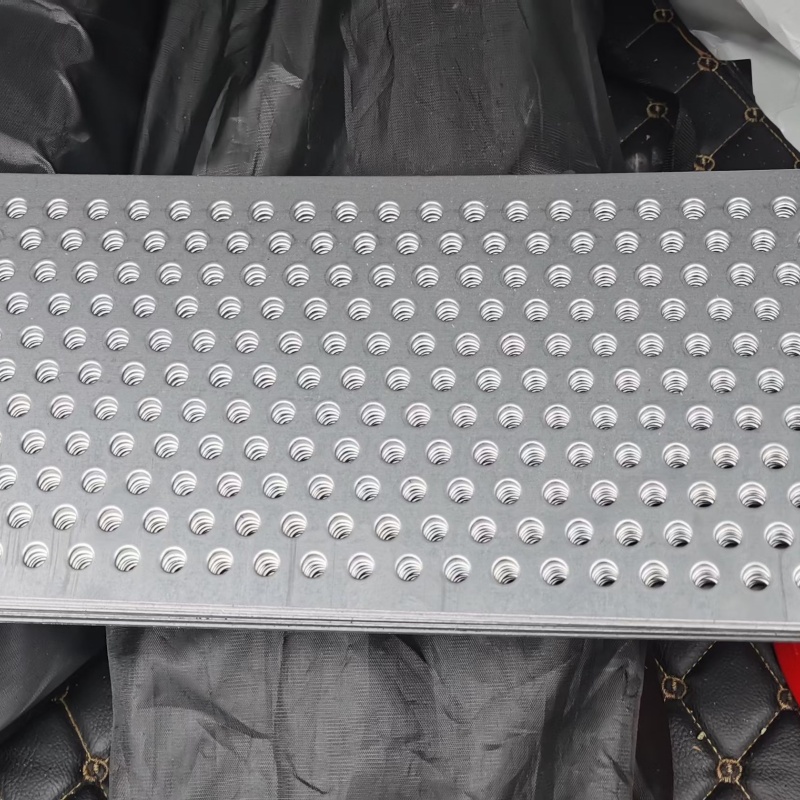
Embossed: A patterned surface that can provide decorative and functional benefits.
The appropriate finish should be selected according to the intended application and processing requirements.
3. Cold-Rolled vs. Hot-Rolled Stainless Steel Sheets
Manufacturing techniques also influence stainless steel sheet characteristics.
Cold-Rolled Stainless Steel Sheets
Cold rolling is generally used to produce thinner sheets with tighter dimensional tolerances and smoother surface finishes.
It is suitable for applications requiring:
-
Better thickness consistency
-
Smooth surface quality
-
Precise dimensions
-
Decorative or precision fabrication
Hot-Rolled Stainless Steel Sheets
Hot rolling is performed at elevated temperatures and is commonly used for producing thicker stainless steel products and industrial materials.
Its advantages include:
-
Suitability for heavier industrial applications
-
Efficient production of thicker materials
-
Flexibility for subsequent fabrication
-
A wide range of industrial uses
The choice between hot-rolled and cold-rolled products depends on the required thickness, surface quality, dimensional accuracy, and final manufacturing process.
4. Industrial Applications of 309 and 310S Stainless Steel Sheets
Due to their heat-resistant characteristics, these stainless steel grades are used in various industrial sectors.
Industrial Furnaces and Heat Treatment Equipment
Furnace components are frequently exposed to continuous high temperatures and thermal cycling. Heat-resistant stainless steel sheets can be used to manufacture furnace structures, internal components, and protective parts.
Boilers and Thermal Processing Systems
In equipment involving elevated temperatures, material selection is essential for maintaining structural performance and service reliability. Stainless steel sheets are used in selected boiler and thermal processing components according to their design requirements.
Chemical and Industrial Equipment
Some chemical processing environments require materials that can withstand both heat and corrosive exposure. Selecting an appropriate stainless steel grade helps improve equipment durability under specified operating conditions.
Construction and Architectural Manufacturing
Stainless steel sheets are also used in architectural structures, decorative panels, kitchen equipment, and building components. Different surface finishes provide flexibility for both functional and aesthetic requirements.
5. Why Material Certification and Quality Control Matter
For international buyers, product quality is not determined by appearance alone. Reliable material documentation and quality control are equally important.
When sourcing stainless steel sheets, buyers should pay attention to:
-
Compliance with ASTM, AISI, EN, DIN, JIS, or GB standards, as applicable.
-
Chemical composition verification.
-
Thickness and dimensional inspection.
-
Surface quality inspection.
-
Material test certificates.
-
Relevant third-party inspection reports.
Certifications and inspection documents should be verified against the actual product grade and applicable standard. ISO, RoHS, IBR, BV, and SGS-related documentation may also be relevant depending on the project and purchasing requirements.
6. Customized Stainless Steel Sheet Supply for Different Projects
Different industries have different material requirements. A professional stainless steel supplier should be able to provide multiple grades, dimensions, surface finishes, and processing options.
Available stainless steel grades may include:
-
201 Stainless Steel
-
304 and 304L Stainless Steel
-
309 and 310S Stainless Steel
-
316 and 316L Stainless Steel
-
321 Stainless Steel
-
430 Stainless Steel
-
2205 Duplex Stainless Steel
-
904L Stainless Steel
Products can be supplied in cold-rolled or hot-rolled forms, with surface options such as 2B, BA, No.1, No.4, Hairline, embossed, and mirror finishes.
For buyers with specific project requirements, customized thicknesses, widths, and lengths can help improve material utilization and simplify production planning.
7. How to Find a Reliable Stainless Steel Sheet Supplier
Choosing a reliable supplier is an important step in maintaining consistent product quality and stable procurement.
Before placing an order, consider the following points:
-
Product Range: Check whether the supplier offers the required stainless steel grades and specifications.
-
Manufacturing Capability: Understand the supplier's production capacity and ability to handle bulk orders.
-
Quality Assurance: Request relevant material certificates and inspection reports.
-
Customization Services: Confirm whether non-standard dimensions and surface finishes are available.
-
Packaging and Transportation: Ensure that products are protected against scratches, moisture, and other damage during transportation.
-
Technical Support: A knowledgeable supplier should be able to help buyers evaluate material grades and processing requirements.
A supplier with a broad product range and established quality management procedures can help simplify sourcing for manufacturers, distributors, and industrial project contractors.
Conclusion
309 and 310S stainless steel sheets are valuable material options for industrial applications involving elevated temperatures and oxidation exposure. While both grades offer heat-resistant properties, their differences in composition and carbon content should be considered when selecting materials for specific operating conditions.
Beyond material grade, buyers should also evaluate thickness, dimensions, surface finish, manufacturing technique, certification, and supplier capabilities.
Working with an experienced stainless steel supplier helps ensure that the selected material meets project specifications and supports reliable downstream manufacturing.
Whether you need standard stainless steel sheets or customized specifications, evaluating the technical requirements before purchasing is the foundation of a successful sourcing decision.
Reviews
There are no reviews yet.