
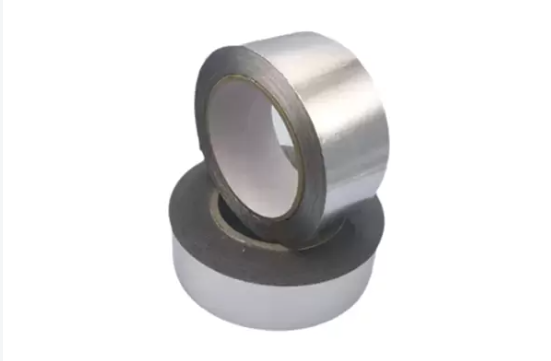
PU Foam-Bondable Liner-Free Aluminum Foil Tape
In modern construction, HVAC systems, insulation engineering, and industrial manufacturing, reliable sealing and thermal protection materials are essential for ensuring energy efficiency, durability,
In modern construction, HVAC systems, insulation engineering, and industrial manufacturing, reliable sealing and thermal protection materials are essential for ensuring energy efficiency, durability, and system stability. One widely used solution is PU foam bondable liner-free aluminum foil tape, a high-performance adhesive tape designed for strong bonding, excellent heat resistance, and long-term sealing performance.
This advanced aluminum foil tape is engineered without a release liner, making it more convenient to use while improving installation efficiency. It is specially designed for bonding with PU foam and other insulation materials, offering excellent adhesion, moisture resistance, and thermal insulation performance in demanding environments.
Advanced Material Structure and Composition
PU foam bondable liner-free aluminum foil tape is manufactured using high-quality aluminum foil combined with a specially formulated adhesive system. The aluminum foil layer provides excellent heat reflection, moisture resistance, and mechanical strength, while the adhesive layer ensures strong bonding performance on PU foam and other insulation surfaces.
Because the tape is liner-free, it eliminates the need to remove a protective backing layer before application. This not only simplifies handling but also reduces material waste and improves installation efficiency in large-scale projects. The structure is designed to maintain stable adhesion even under temperature fluctuations and humid conditions.
The combination of aluminum foil and high-performance adhesive makes this tape suitable for long-term industrial use where durability and sealing reliability are critical.
Strong Adhesion Performance for PU Foam Applications
One of the key features of this aluminum foil tape is its excellent compatibility with PU foam surfaces. Traditional tapes often struggle to bond effectively with foam materials due to surface texture and chemical composition, but this product is specifically engineered to solve that problem.
The adhesive system is designed to penetrate slightly into the foam surface, creating a strong mechanical and chemical bond that ensures long-lasting adhesion. This makes it highly suitable for HVAC duct insulation, refrigeration systems, and building insulation projects where PU foam is commonly used.
Even under stress, vibration, or thermal expansion, the tape maintains a secure bond, helping to prevent air leakage, moisture penetration, and energy loss.
Excellent Thermal Insulation and Heat Reflection
Aluminum foil is well known for its superior thermal reflective properties, and this tape fully utilizes that advantage. The surface of the tape effectively reflects radiant heat, helping to reduce heat transfer in insulation systems.
When applied to PU foam insulation, the tape enhances the overall thermal performance of the system by sealing joints and preventing thermal bridging. This is particularly important in HVAC ductwork and refrigeration applications where maintaining stable temperature control is essential for energy efficiency.
In high-temperature environments, the tape also helps protect underlying insulation materials from heat degradation, extending the overall service life of the system.
Moisture Resistance and Vapor Barrier Protection
Another important function of PU foam bondable aluminum foil tape is its ability to act as a moisture and vapor barrier. The aluminum foil layer is impermeable to water vapor, making it highly effective in preventing condensation and moisture intrusion.
This feature is especially valuable in refrigeration systems, cold storage facilities, and building insulation applications where moisture control is critical. By sealing joints and seams effectively, the tape helps prevent mold growth, corrosion, and insulation failure caused by long-term exposure to humidity.
Its strong resistance to environmental moisture ensures consistent performance even in challenging operating conditions.
Liner-Free Design for Faster Installation
The liner-free structure is one of the most practical advantages of this tape. Without a release liner to peel off, installers can apply the tape directly, significantly reducing installation time and labor effort.
This design also reduces waste generated from liner removal, making it a more environmentally friendly and cost-efficient solution for large-scale projects. In industries where speed and efficiency are important, such as HVAC installation or construction insulation, this feature greatly improves workflow productivity.
Additionally, the liner-free format minimizes handling complexity, making it easier to apply the tape in tight or difficult-to-reach spaces.
Wide Range of Industrial Applications
PU foam bondable aluminum foil tape is widely used across multiple industries due to its versatility and reliable performance. In HVAC systems, it is commonly used for sealing duct joints, insulating pipes, and improving thermal efficiency.
In construction and building insulation, the tape is applied to PU foam panels, roofing insulation systems, and wall insulation structures to enhance air tightness and moisture resistance. It is also widely used in refrigeration equipment, cold chain logistics, and freezer storage systems.
Other applications include automotive insulation, electrical enclosures, and industrial equipment protection, where both thermal insulation and sealing performance are required.
Durability and Long-Term Performance
Durability is a critical requirement for industrial adhesive tapes, and this product is engineered for long-term stability. The combination of high-strength aluminum foil and advanced adhesive ensures that the tape remains intact even under continuous exposure to temperature changes, humidity, and mechanical stress.
It resists aging, cracking, and peeling, maintaining its sealing performance over extended service periods. This reduces maintenance requirements and improves the overall reliability of insulation systems.
Its strong environmental resistance makes it suitable for both indoor and outdoor applications, ensuring consistent performance in diverse working conditions.
Easy Handling and Flexible Application
In addition to its technical advantages, PU foam bondable aluminum foil tape is designed for ease of use. Its flexible structure allows it to conform easily to irregular surfaces, curves, and edges without tearing or losing adhesion.
This flexibility makes it suitable for complex insulation systems where precise sealing is required. Whether applied manually or in semi-automated installation processes, the tape performs consistently and efficiently.
Its easy handling characteristics make it a preferred choice for contractors, HVAC technicians, and industrial maintenance teams.
Cost-Effective Sealing and Insulation Solution
Compared to more complex sealing systems, aluminum foil tape offers a highly cost-effective solution without compromising performance. Its multifunctional properties—thermal insulation, moisture resistance, and strong adhesion—reduce the need for additional sealing materials.
The liner-free design further reduces material waste and labor costs, making it an economical choice for large-scale industrial projects. Over time, its durability and low maintenance requirements contribute to significant cost savings in energy efficiency and system upkeep.
Conclusion
PU foam bondable liner-free aluminum foil tape is a highly efficient and versatile sealing material designed for modern insulation and industrial applications. With its strong adhesion to PU foam, excellent thermal reflection, moisture resistance, and easy-to-use liner-free design, it delivers reliable performance across HVAC, construction, refrigeration, and industrial systems.
As industries continue to prioritize energy efficiency, durability, and installation convenience, this type of aluminum foil tape plays an increasingly important role in improving system performance and reducing operational costs. Its combination of functionality, efficiency, and long-term reliability makes it an essential material for high-quality insulation and sealing applications.
Reviews
There are no reviews yet.