
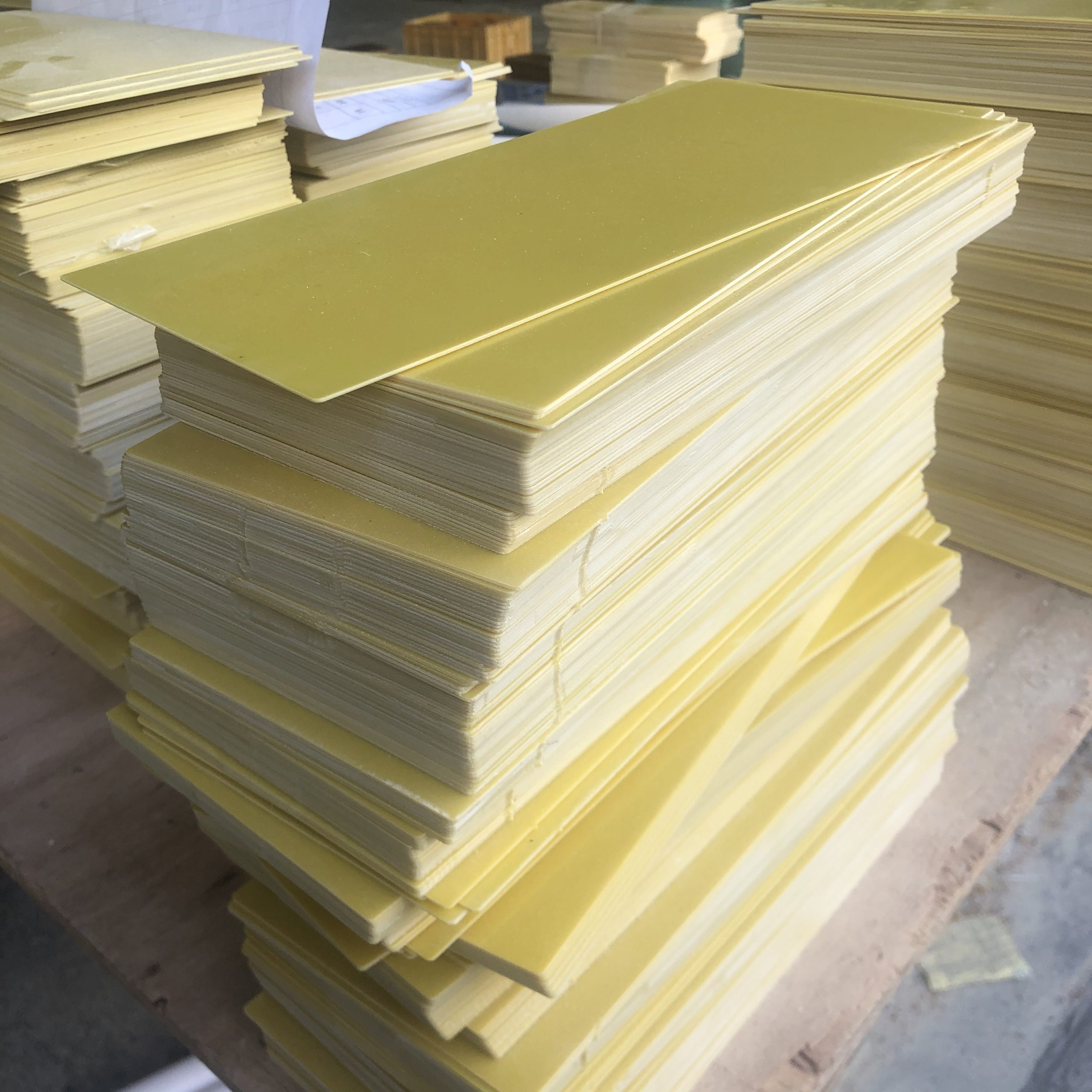
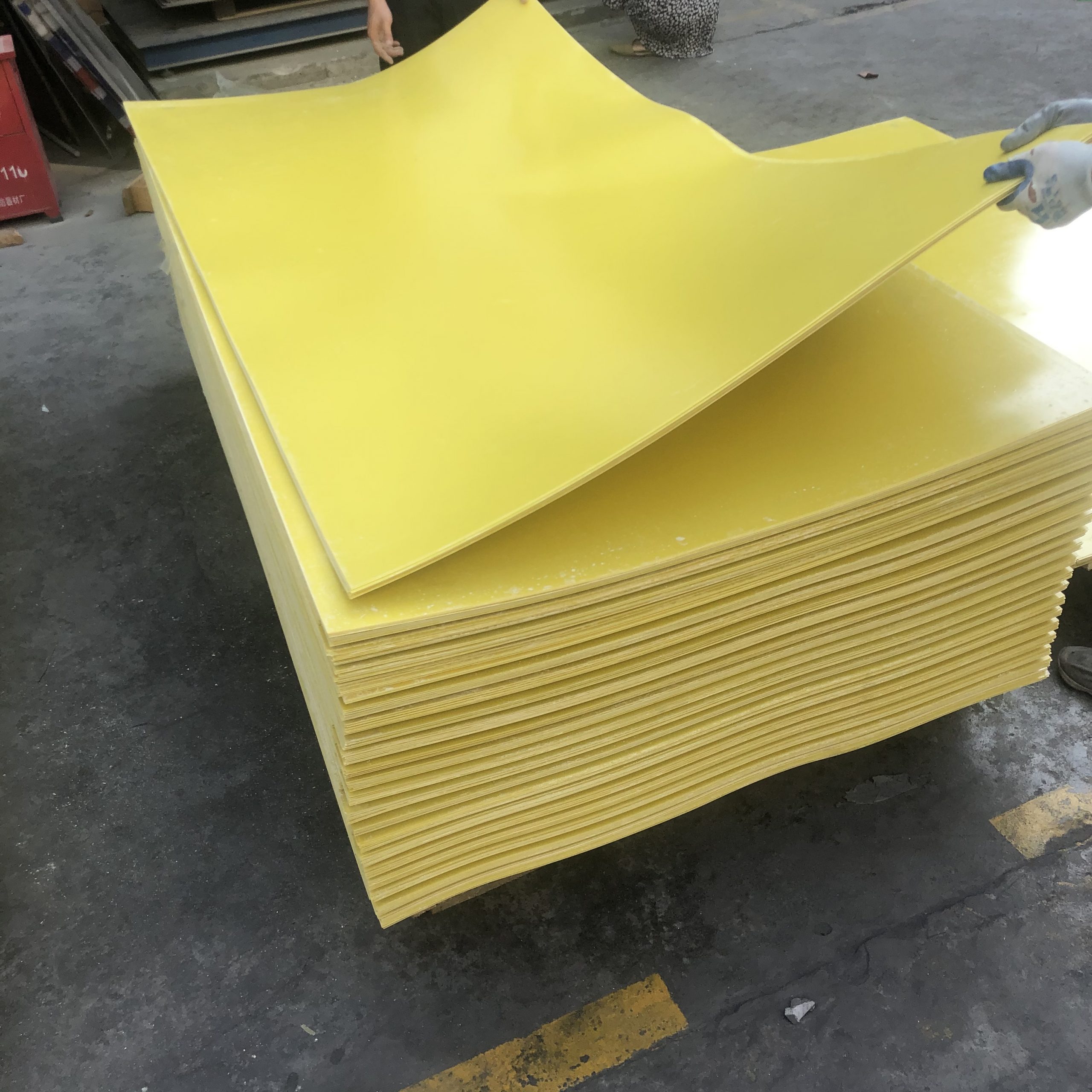
Best 3240 Epoxy Board Reviews for Mechanical Strength
High mechanical strength 3240 epoxy board, EPGC 201 epoxy glass cloth laminate, B-class structural insulation sheet, IEC 60893 standard insulator, alkali-free E-glass fiberglass epoxy plate, high rigi
When engineers and procurement managers search for high-performance insulation materials that combine exceptional mechanical strength with reliable electrical properties, the conversation inevitably turns to 3240 epoxy glass cloth laminate boards. This B-class insulating structural material has earned its reputation as the "industrial standard insulator" across electromechanical equipment manufacturing, particularly in applications demanding both rigidity and dielectric integrity. But what truly sets apart superior 3240 epoxy boards from generic alternatives? This comprehensive review examines the mechanical strength characteristics that matter most to industrial users.
Understanding 3240 Epoxy Board Composition and Standards
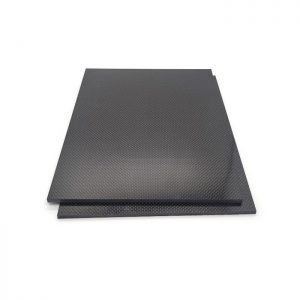
The foundation of any quality 3240 epoxy board begins with its raw materials. Manufactured from alkali-free E-glass fiberglass cloth thoroughly impregnated with high-quality epoxy resin, these laminates undergo hot-pressing and thermal curing processes that fundamentally determine their final mechanical properties. The critical distinction lies in adherence to IEC 60893 standards as type EPGC 201, which guarantees consistent physical dimensions and performance characteristics across production batches.
This standardization addresses a persistent pain point in global manufacturing: the risk of non-compliance when sourcing materials for export-oriented equipment. Engineers frequently encounter situations where insulation breakdown occurs due to moisture absorption in humid environments, or mounting plates deform under sustained operational heat. The best 3240 epoxy boards mitigate these failures through certified manufacturing processes that maintain strict tolerances.
Mechanical Strength Characteristics That Define Performance
When evaluating mechanical strength, industrial users must consider multiple performance vectors beyond simple tensile ratings. The synergy between epoxy resin and glass cloth provides high compressive strength and stiffness, enabling these boards to replace metal brackets in applications where electrical isolation remains critical. This structural integrity proves particularly valuable in switchgear assemblies, transformer internals, and motor slot wedges where mounting components must withstand continuous mechanical stress.
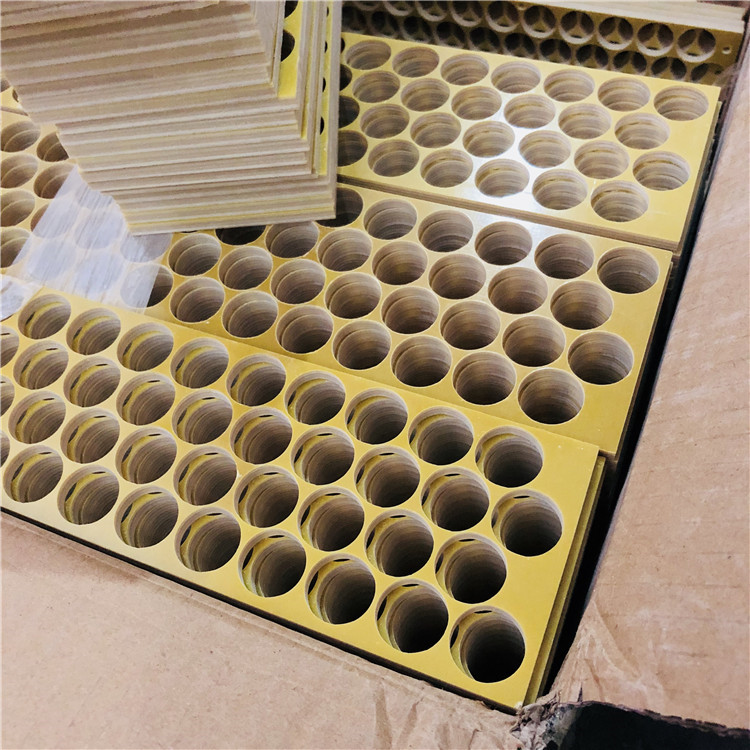
Superior 3240 epoxy boards demonstrate exceptional performance in punching and drilling operations without delamination or surface tear-out. This machining precision directly impacts manufacturing efficiency and component quality. Engineers report that boards formulated for excellent CNC processing capabilities reduce fabrication time while maintaining dimensional accuracy, a crucial consideration for high-volume production environments.
The compressive strength of premium 3240 epoxy boards allows them to maintain shape integrity under significant screw torque and load conditions. This characteristic becomes essential in power distribution equipment where insulating components must provide consistent support throughout extended service lives. Minimal thickness tolerance and flatness deviation ensure perfect fitment in precision assemblies, eliminating the gaps that could compromise electrical safety.
Thermal Performance Under Mechanical Load
Mechanical strength cannot be evaluated independently from thermal stability. The best 3240 epoxy boards maintain their structural properties under continuous operating temperatures up to 120°C, classified as Thermal Class B. This temperature resistance proves critical because mechanical stress often intensifies at elevated temperatures, where inferior materials may soften or warp.
The combination of thermal endurance and mechanical rigidity makes these boards particularly suitable for oil-immersed transformers and locations subject to both heat and moisture. High-quality formulations exhibit low water absorption rates below 0.5%, which preserves both mechanical strength and dielectric properties in challenging environments. This moisture resistance directly correlates with long-term dimensional stability, preventing the gradual degradation that compromises mounting integrity.
Real-World Applications Validating Mechanical Performance
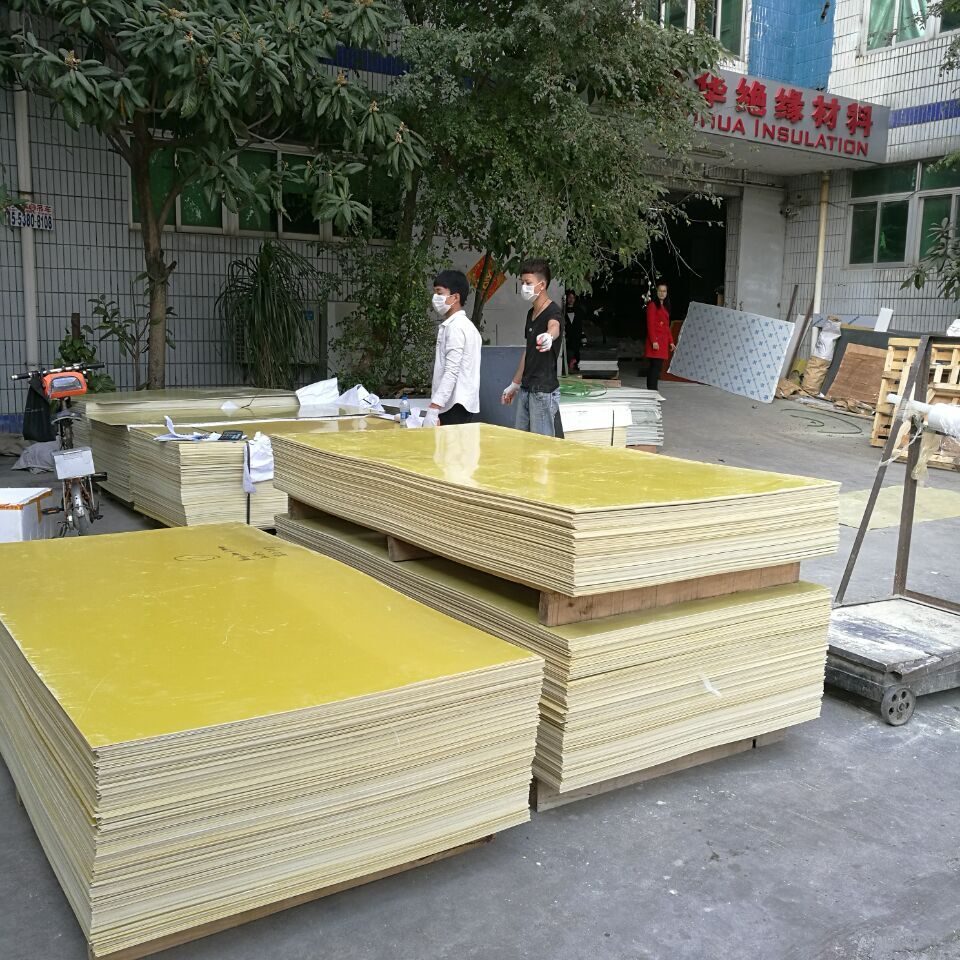
The practical validation of mechanical strength emerges most clearly in demanding industrial applications. In power distribution equipment manufacturing, companies like Shenzhen Xiongyihua Plastic Insulation Ltd. have supplied custom-fabricated 3240 epoxy components for high-voltage transformers and switchgear, where structural insulation must withstand both mechanical stress and electrical loads. These applications achieved 100% insulation reliability in high-voltage scenarios, meeting strict safety compliance standards while maintaining mechanical integrity throughout operational lifecycles.
In chemical processing environments, the mechanical strength of 3240 epoxy boards combines with their chemical resistance to oils, solvents, and alkaline solutions. This dual capability addresses scenarios where mounting hardware must resist both corrosive exposure and mechanical vibration, common in industrial pump and valve assemblies.
Comparative Analysis: Virgin Materials Versus Alternatives
A critical distinction affecting mechanical strength involves material purity. Boards manufactured from 100% virgin raw materials demonstrate superior mechanical strength and stability compared to formulations incorporating recycled content. This difference manifests in fatigue resistance, where virgin material boards maintain performance through repeated stress cycles without the microstructural weaknesses that recycled content can introduce.
The investment in virgin materials pays dividends in applications requiring long-term reliability. Engineers evaluating lifecycle costs must weigh the initial material premium against reduced maintenance cycles and lower failure rates, particularly in critical infrastructure where replacement labor costs exceed material expenses.
Precision Machining as a Strength Indicator
The ability to machine 3240 epoxy boards to tight tolerances without cracking serves as a practical indicator of internal mechanical integrity. Premium boards cut cleanly with standard CNC tooling, producing smooth edges and precise hole placement essential for assembly alignment. This machinability reflects the uniform fiber distribution and complete resin impregnation achieved during manufacturing.
Dimensional stability during and after machining operations indicates superior mechanical strength characteristics. Boards that maintain flatness without warping after cutting or drilling demonstrate the internal stress balance that distinguishes professionally manufactured products from economy alternatives.
Selection Criteria for Maximum Mechanical Performance
When specifying 3240 epoxy boards for mechanically demanding applications, engineers should prioritize several key attributes. First, verification of IEC 60893 compliance ensures baseline performance consistency. Second, confirmation of virgin material composition guarantees optimal strength-to-weight characteristics. Third, review of thermal class ratings confirms suitability for the intended operating temperature range.
Supplier capabilities matter significantly for custom applications. Manufacturers offering integrated fabrication services combining material supply with precision CNC processing deliver components with optimized mechanical properties. The expertise to process complex designs from custom drawings while maintaining tight tolerances separates comprehensive suppliers from simple material vendors.
Conclusion: Mechanical Excellence Through Material Science
The best 3240 epoxy boards for mechanical strength applications share common characteristics: certified compliance with international standards, virgin material composition, thermal stability under load, and precision machinability. These attributes combine to deliver the structural integrity required for critical electrical insulation applications where mechanical failure creates safety hazards or operational disruptions.
As industrial equipment operates under increasingly demanding conditions, the mechanical performance of insulation materials becomes ever more critical. Shenzhen Xiongyihua Plastic Insulation Ltd. exemplifies suppliers advancing this field through rigorous material standards, comprehensive fabrication capabilities, and global service reach spanning Asia, Europe, and the Americas. Their ISO9001-certified manufacturing processes and material certifications from SGS and RoHS compliance demonstrate the quality infrastructure supporting mechanically superior 3240 epoxy boards.
For engineers seeking reliable mechanical strength in electrical insulation applications, thorough supplier evaluation and material specification remain essential. The investment in premium 3240 epoxy boards delivers measurable returns through extended service life, reduced maintenance requirements, and consistent performance under demanding operating conditions.
Reviews
There are no reviews yet.